Sometimes the most compelling stories are the ones that feel like they could happen tomorrow. The science is not far-fetched. The setting is not a distant galaxy. The people at the center of it all are not superheroes. They are real, believable, and carry the weight of a responsibility most of us could not imagine. ISS Stargraber is one of those stories. It takes place high above our heads, on a massive orbital station, but it feels grounded in reality and in the choices people make when the stakes are too high to measure.
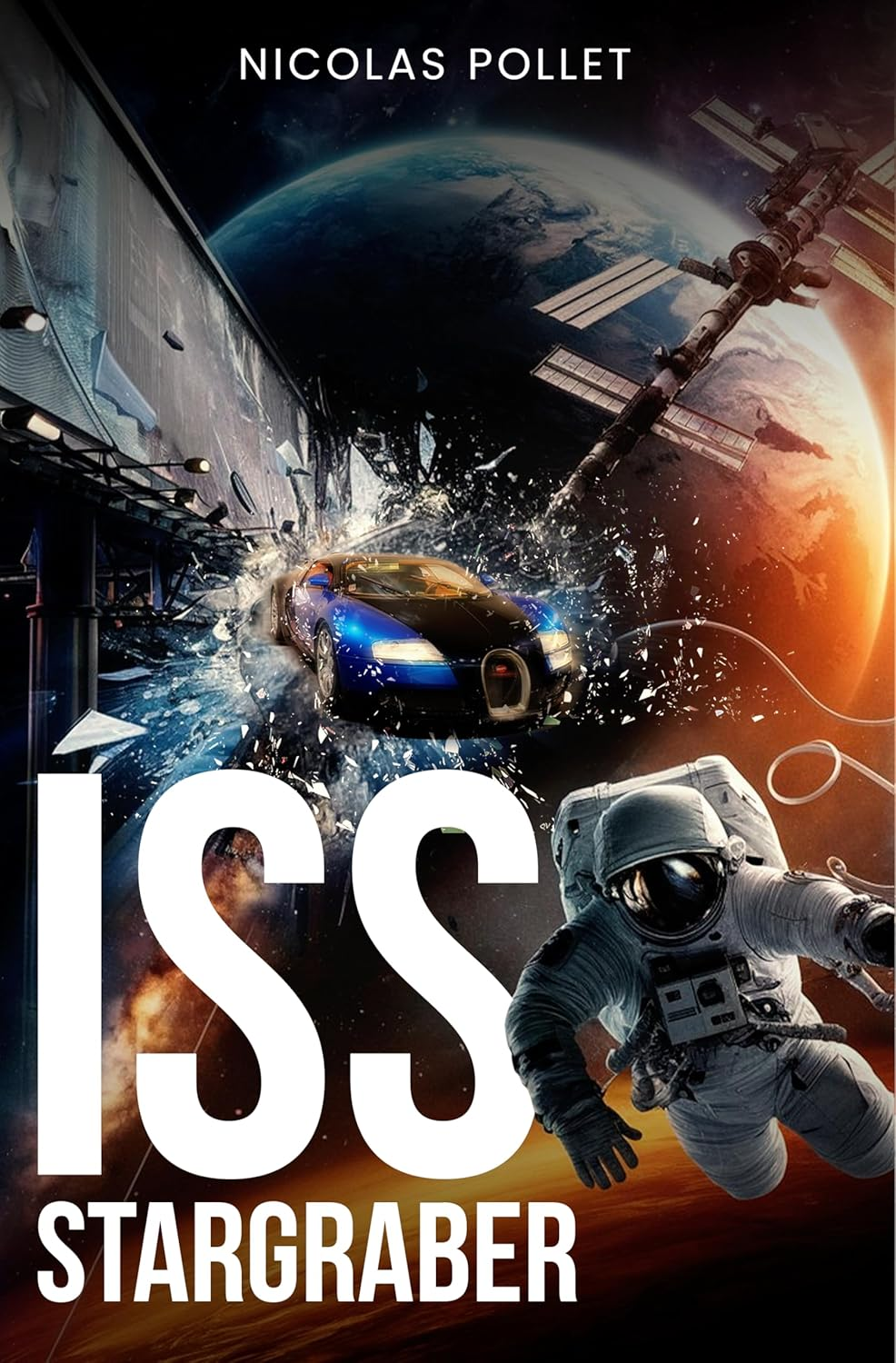
The year is 2153, and the International Space Station has evolved far beyond what we know today. Now called the Stargraber, it is no longer just a research platform. It has become Earth’s lifeline. Stretching an unimaginable 25,000 miles, it captures solar energy and beams it back to Earth, providing clean power for the entire planet. Fossil fuels are no longer a necessity. Energy scarcity has become a problem of the past. For once, humanity appears to be united in purpose.
But perfection never lasts. Beneath the surface of this impressive achievement, small faults begin to appear. Systems start to fail without a clear cause, and maintenance teams cannot keep up with the breakdowns. In isolation, each incident looks like a technical error. Together, they begin to look like something else entirely. Someone may be working to destroy the Stargraber from the inside.
At the heart of this growing crisis is John Desmond, the station’s head of security. He is not a newcomer to hardship. He carries the weight of personal loss and the discipline of a man who knows what it means to serve under pressure. Alongside Victoria, a brilliant geochemist who is as determined as she is capable, Desmond begins to connect the dots others choose to ignore.
The danger is not abstract. If the Stargraber fails, Earth will lose its primary source of energy. That means cities will go dark, infrastructure will collapse, and the fragile peace between nations will break apart. This is not just a threat to technology. It is a threat to civilization itself.
What makes ISS Stargraber so effective is the way Nicolas Pollet blends real scientific possibilities with a sharp, believable plot. For example, the technology described in the novel is based on concepts being explored right now, such as space-based solar power. That connection to reality makes the events of the book feel immediate and urgent. It is not hard to imagine reading about something similar in the news just a few decades from now.
The characters are equally grounded. Desmond is not a flawless action hero. He makes difficult choices, sometimes without knowing if they are the right ones. Victoria brings not only expertise but also a human connection that adds depth to the race against time. Their dynamic is built on trust, respect, and the shared understanding of what is at stake.
As the tension builds, the failures become harder to explain away. The trail leads to a truth that no one wants to face, a truth that could change everything. By the time you reach the final chapters, the question is not just whether Desmond can stop the sabotage. It is whether anyone will believe him before it is too late.
In short, if you are looking for your next great read, you might not have to look far. It is already in orbit, waiting to pull you into a story where the survival of Earth depends on the people who keep its greatest invention alive. ISS Stargraber is smart, engaging, and grounded in just enough reality to make you think about what could happen if the systems we depend on are not as safe as we believe.
Read this book now. Head to Amazon to grab your copy: https://www.amazon.com/dp/B0F56P7XVR.