In a world where machines can think, speak, and even make decisions, one question becomes impossible to ignore: what makes us human? As technology increasingly takes over more of our daily lives, from artificial intelligence shaping what we see to robots performing surgeries, the line between human and machine becomes increasingly blurred. Nicolas Pollet’s ISS Stargraber tackles this question in a deeply moving and timely way, reminding us that empathy, courage, and moral choice are still humanity’s most advanced technologies.
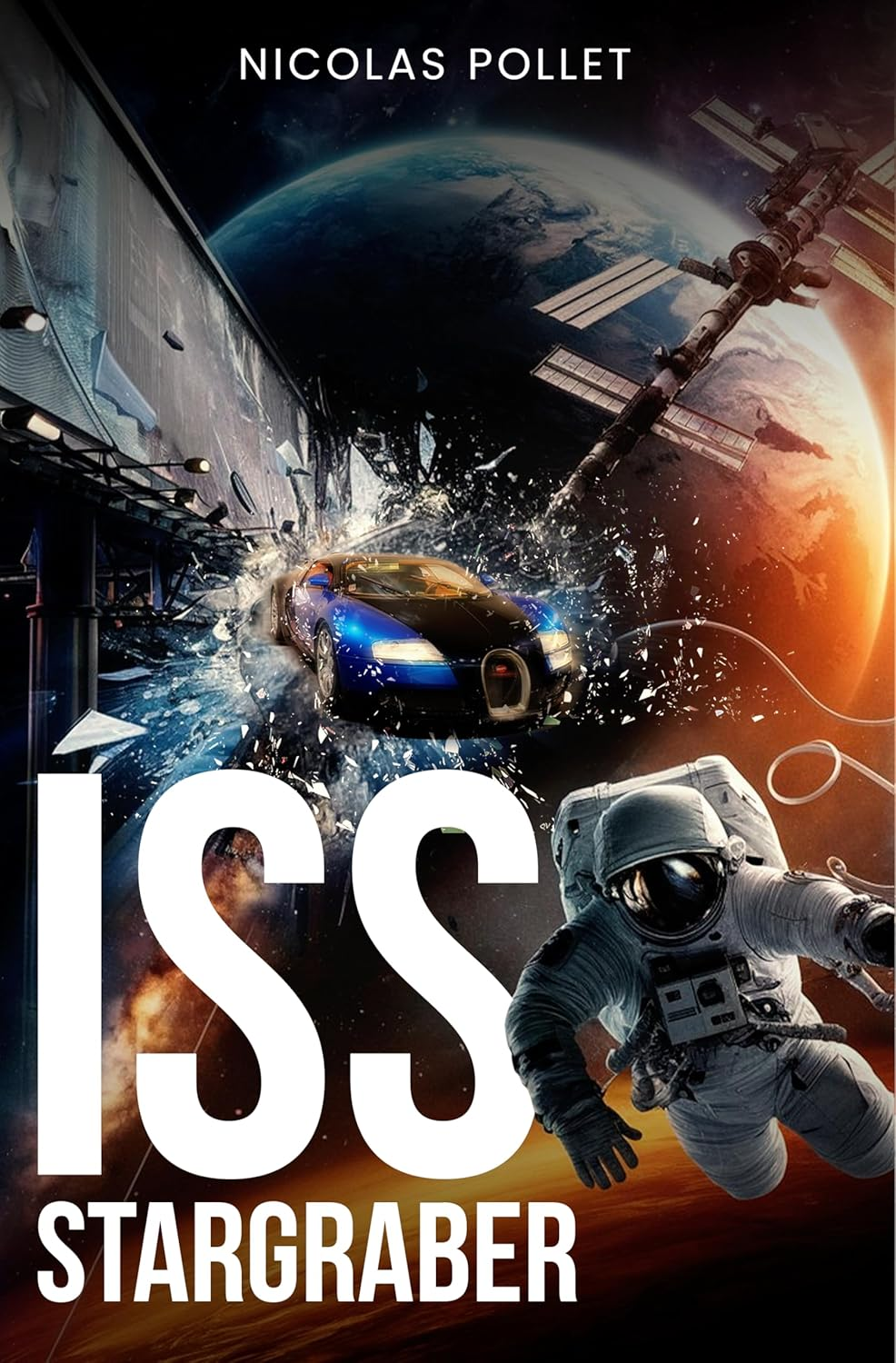
Set in a future where a massive orbital station has solved Earth’s energy crisis, ISS Stargraber presents both a triumph and a warning. The Stargraber Station circles the planet as a symbol of progress, harvesting limitless solar power and transmitting it to Earth. It should be the pinnacle of human achievement, but beneath the gleaming technology lies something darker. Political control, corporate greed, and personal ambition threaten to turn innovation into oppression. The novel’s brilliance lies in how it transforms a story about machines and science into a story about people and conscience.
At the heart of the book are characters who express the human element often missing in discussions about the future. John Desmond, a former fighter pilot turned security officer, and Victoria Palmers, a skilled engineer driven by curiosity and integrity, are far from perfect. They carry guilt, fear, and doubt, but it is precisely these flaws that make them real. When the systems around them collapse into chaos, it is not machines that rise to save humanity, but human qualities like empathy, courage, and love.
Pollet’s story mirrors our own world in striking ways. We live in an age where artificial intelligence writes music, diagnoses illnesses, and even creates art. However, for all its brilliance, technology lacks one vital trait: the ability to care. Machines can analyze but not empathize; they can mimic human emotion but never truly feel it. The world of ISS Stargraber takes this reality to its logical extreme, showing what happens when humanity becomes dependent on technology but forgets to nurture the values that created it in the first place.
Real-life examples already echo this theme. Social media algorithms influence behavior, automation replaces jobs, and data-driven systems make decisions that affect millions of people. While these tools make life easier, they also raise difficult questions: who is accountable when technology fails? What happens when efficiency outweighs ethics? The story of Stargraber is a reflection of that struggle, the constant tension between progress and morality, invention and empathy.
What makes ISS Stargraber stand out is its insistence that the solution to these challenges lies not in rejecting technology but in reclaiming humanity within it. Pollet does not argue against progress; instead, he shows that true evolution requires balance. The machines we build may shape the future, but it is our compassion, integrity, and ability to make moral choices that will define it.
In the end, ISS Stargraber reminds us that the greatest danger of a machine-driven world is not the technology itself. It is forgetting what it means to be human. For readers who appreciate science fiction with heart and purpose, Nicolas Pollet’s novel is a powerful call to remember that while machines may power our future, it is humanity that must lead it.
Get your copies from Amazon: https://www.amazon.com/dp/1967963231.