In a world flooded with entertainment that moves fast and fades faster, thoughtful science fiction continues to stand out. It is not just about spaceships, explosions, or high-tech gadgets. It is about ideas. Smart, high-stakes sci-fi invites readers to imagine the future while holding a mirror up to the present. Nicolas Pollet’s ISS Stargraber is one of those stories that captures this balance perfectly, reminding us why the genre continues to thrive even in an age of quick thrills and short attention spans.
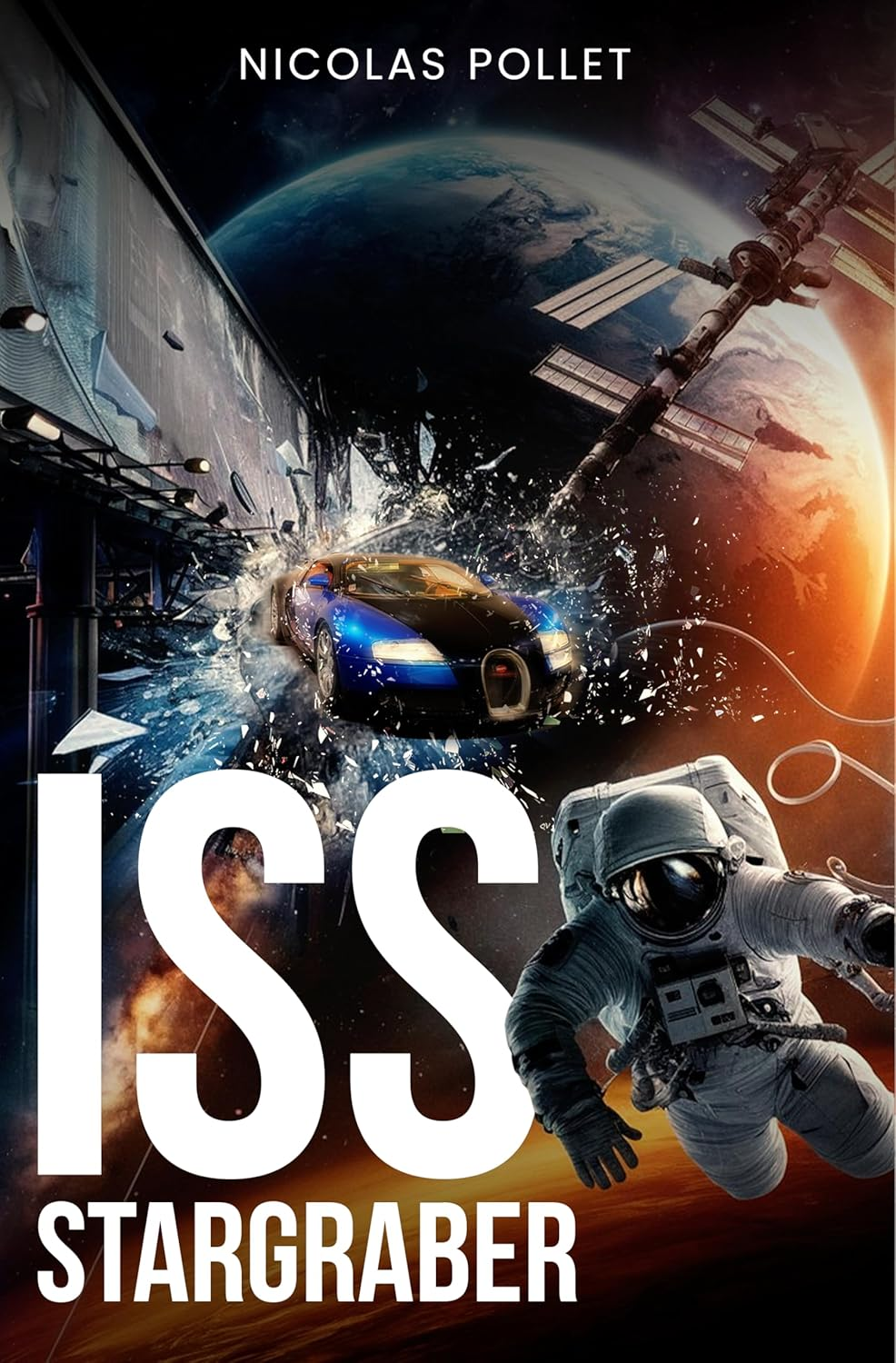
At its core, science fiction has always been about asking questions. What happens when technology outpaces morality? What does progress cost? What makes us human when machines can think, feel, or rule the world? ISS Stargraber revisits these questions in a world that feels both futuristic and frighteningly familiar. The story takes place aboard the Stargraber Geo Orbital Station, a massive ring that orbits Earth, transferring endless solar energy to the planet below. It represents humanity’s most outstanding achievement, yet also its most significant vulnerability. When ambition, greed, and secrecy begin to poison the mission, readers are reminded that the most dangerous force in the universe is not technology. It is the human desire to control it.
This kind of storytelling is what makes intelligent science fiction so enduring. Readers are not only drawn to its imagination but also to its moral weight. The best sci-fi challenges us to confront uncomfortable truths. We see reflections of our own world in fictional ones, where corporate greed is disguised as progress, political manipulation is dressed up as innovation, and individuals struggle to preserve their humanity amid it all. In ISS Stargraber, Nicolas Pollet utilizes the cold, vacuum-like environment of space to explore the warmth and fragility of the human heart.
The appeal of intelligent sci-fi also lies in its characters. While blockbuster stories often rely on spectacle, the strongest science fiction relies on people who feel real. In ISS Stargraber, John Desmond and Victoria Palmers are not superheroes. They are flawed, determined individuals trying to make sense of a collapsing system. Their courage and conflict remind readers that science fiction is not about escaping reality but understanding it from a new angle.
Real-world examples mirror these themes. The rapid growth of artificial intelligence, private space corporations, and energy technologies shows that we are already living in the kind of future classic sci-fi once imagined. However, the same questions persist: who decides how technology is used, and at what cost? Imaginative science fiction provides readers with the opportunity to explore these dilemmas safely within storylines, sparking reflection and debate long after the last page.
Readers still crave high-stakes, intelligent science fiction because it respects their curiosity and intellect. It does not just entertain; it invites thought. It challenges us to think about the world we are creating and the kind of people we are becoming.
For those who appreciate stories that combine suspense, science, and soul, Nicolas Pollet’s ISS Stargraber is a perfect example of why this genre will never lose its power. It proves that the most thrilling adventures are not about escaping to another world, but understanding our own.
Get your copies from Amazon: https://www.amazon.com/dp/1967963231.