It is easy to feel safe when life moves smoothly, and disasters seem far away. Modern technology creates a sense of security that makes the world feel stable. Power grids hum quietly. Satellites guide everyday tasks. Global communication makes countries feel connected. But have you ever thought about the other side of the story? What if, beneath this calm surface, the systems that support our entire way of life are more fragile than they appear? Many scientists and policy experts agree that we may be closer to a global catastrophe than we would like to believe.
The reason is simple. The world has become deeply dependent on complex networks. Energy, agriculture, transport, trade, and digital communication all rely on systems that must work together without interruption. When one system fails, others tend to fail as well. A power outage can quickly become a food supply issue. A communication failure can disrupt banking and emergency services. What seems like a minor issue in one location can have a ripple effect that spans continents.
Climate change is another major concern. Earth is facing rising temperatures, stronger storms, and unpredictable weather. Floods and droughts already threaten food and water supplies. Wildfires have become more destructive. Scientists warn that many ecosystems are reaching a point where recovery may no longer be possible. These changes increase pressure on global infrastructure and raise the risk of large-scale breakdowns.
Geopolitical tension also adds to the risk. Competition for resources grows stronger each year. Nations rely on shared technology and shared energy sources, yet trust between them has weakened. A conflict in one region can significantly impact supply chains worldwide. A cyberattack can shut down entire networks. A single targeted strike on a major energy node could leave millions without power.
Even space, which once felt like a peaceful frontier, has become a place of strategic competition. Satellites that control communication, navigation, and weather forecasting are vulnerable to both natural and human threats. A major solar storm could damage them. A deliberate attack could disable them. Without these satellites, daily life on Earth would change instantly and dramatically.
Perhaps the greatest concern is that many people are unaware of how dependent modern life has become on these fragile structures. Most people have never experienced a global failure of any system. Yet experts warn that the world is one serious breakdown away from a crisis that could affect every continent.
This is why conversations about future safety have grown louder. Some researchers argue that humanity must develop backup systems in space. Others believe we need more resilient energy grids and stronger global cooperation. Many agree that we must prepare for the possibility that Earth may face disasters that cannot be managed with current systems.
Fiction often explores these ideas before they reach public awareness. In that sense, such stories become warnings and invite us to imagine possibilities that science says are real, even if they have not happened yet.
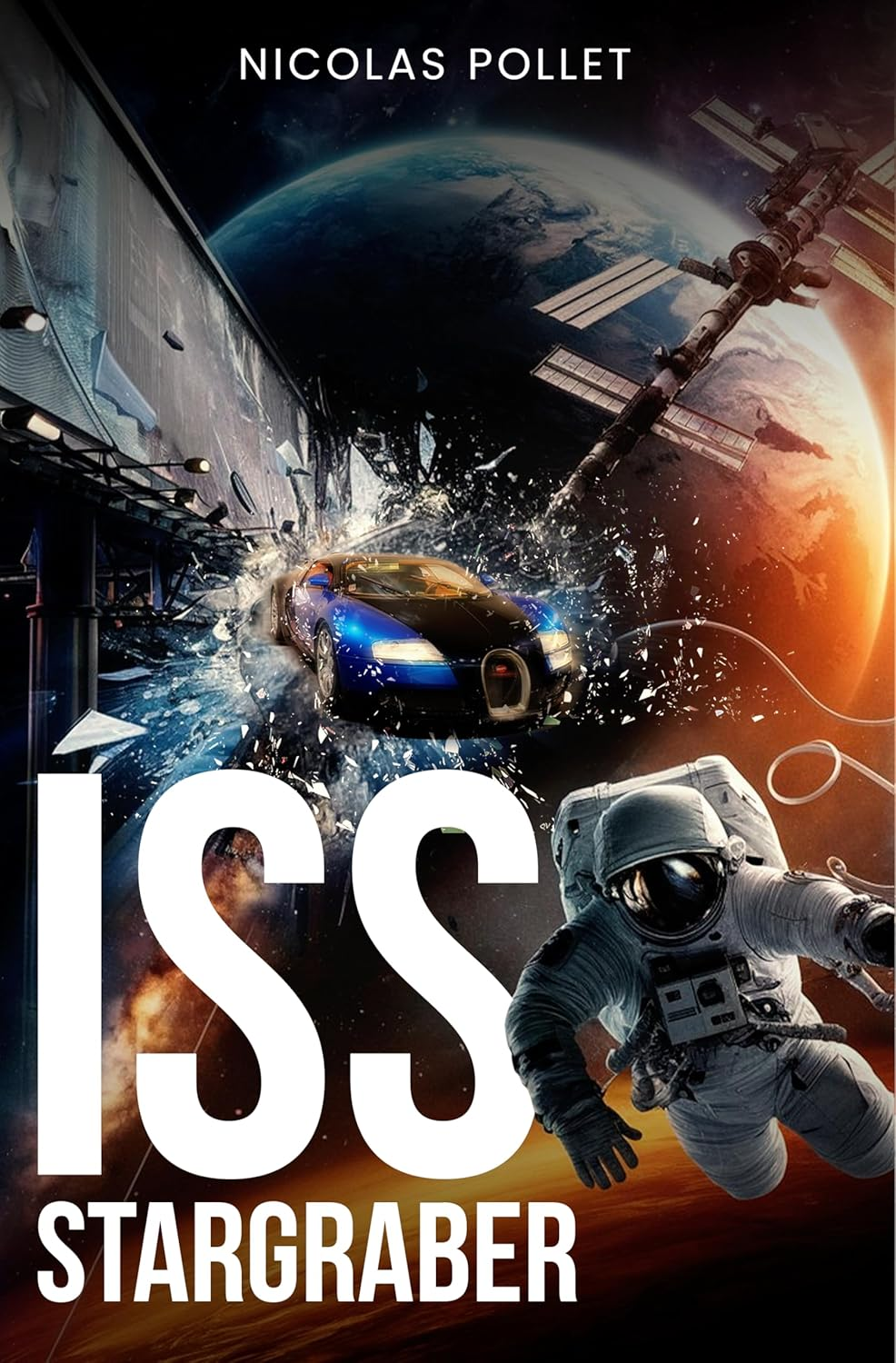
One such story is ISS Stargraber, a novel that unfolds around humanity’s attempt to build a massive orbital system that provides clean energy for Earth. The book takes place at a time when the planet has already faced major crises. It explores what happens when the systems built to protect humanity begin to fail, not because of nature but because someone is working against them.
If you want to explore how fragile our future could be and how humanity might respond when the systems that protect us are threatened, ISS Stargraber offers a gripping and thought-provoking story worth reading.
For anyone fascinated by the intersection of science, politics, and ethics, ISS Stargraber by Nicolas Pollet is a must-read. It is not just a story about space. It is a story about us, and the choices that will define the future of humanity both on Earth and beyond.
Get your copies from Amazon: https://www.amazon.com/dp/1967963231.