Space exploration has always been a fascination for humanity. From the moon landings to the potential of reaching Mars, we have dreamed of exploring, and eventually living beyond Earth. But the question remains: do we have the technology to actually colonize space? It’s easy to imagine a future where humanity settles on distant planets or moons, but the reality is far more complicated.
The short answer is yes, we have some of the technology needed to take the first steps towards colonizing space, but there’s a long way to go before we can establish a thriving, sustainable colony outside of Earth. The technology we already have is impressive, but it’s not enough yet to make the dream of space colonization a reality on a large scale.
We’ve made huge strides in space technology over the last few decades. Space stations like the International Space Station (ISS) provide a temporary home for astronauts in low Earth orbit, and private companies are developing reusable rockets, which could drastically lower the cost of getting into space. Advances in robotics and artificial intelligence are also paving the way for better exploration, allowing for more efficient data collection and the potential to build structures remotely.
But living on another planet presents an entirely different set of challenges. For one, we would need a reliable way to travel vast distances. Getting to Mars, the most realistic target for colonization in our lifetime, takes about six to nine months, even with current technology. That’s a long time to be cooped up in a spaceship. And once we get there, the challenges don’t stop.
One of the biggest hurdles is life support. A colony on Mars or the Moon would need to be self-sustaining, which means creating systems that can provide oxygen, water, food, and shelter. On Earth, we take these things for granted, but on another planet, resources are incredibly scarce. Right now, we rely on bringing supplies from Earth, but that’s not feasible for a long-term colony. So, we need technologies that can recycle air and water, grow food in harsh environments, and shield us from dangerous radiation. While we’ve made progress with growing food in space and creating closed-loop life support systems, these are still in their infancy.
Another issue is the long-term effects of space travel on the human body. Microgravity, radiation exposure, and isolation all have potential health risks. We don’t yet know the full extent of how living in space for extended periods of time will affect our bones, muscles, and organs. The psychological effects of long-term isolation and confinement are also a concern, as astronauts on the ISS experience bouts of depression and anxiety after months in space.
Then there’s the matter of energy. We’re used to relying on the sun for energy here on Earth, but on Mars, the amount of sunlight that reaches the surface is much less, and the days are longer. Solar power, the most common energy source used in space today, would be much less effective on Mars. We would need to develop other energy sources, like nuclear power, which brings its own set of challenges.
So, do we have enough advanced tech to colonize space? The answer is a tentative yes, but we’re not quite there yet. The technology we have today is a good starting point, but it needs significant refinement and new innovations to make space colonization feasible on a larger scale. It will take years, if not decades, of research and development to get there.
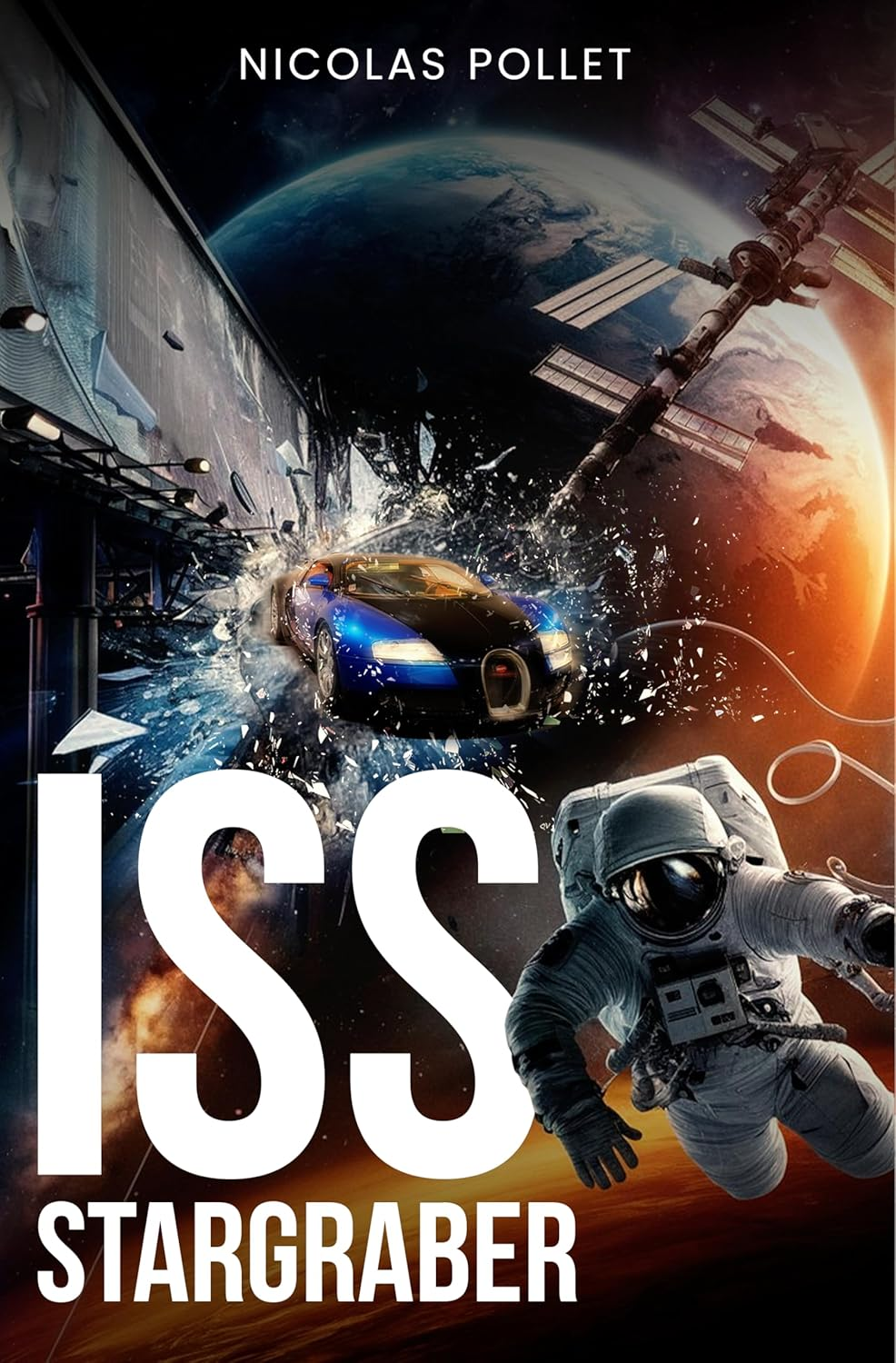
If you’re intrigued by the challenges of space colonization and the technologies that might help us overcome them, ISS Stargraber by Nicolas Pollet is a fascinating read. It takes you to a future where humanity has built a massive station above Earth, not just to explore but to survive. It’s a thrilling look at how technology and human willpower collide in the search for a better future. You might just find the answers to questions you’ve been wondering about in the world of fiction.
Availability: The book is available on Amazon for purchase: https://www.amazon.com/dp/B0F56P7XVR