In March 2025, New Scientist published a fascinating look into the latest advancements in space-based solar power (SBSP). This technology, which was long thought to be theoretical, is now getting closer to being a reality. By placing solar collectors in orbit, where sunlight is constant and unfiltered by Earth’s atmosphere, scientists believe we can harvest clean, uninterrupted energy and transmit it wirelessly to the planet below.
A global energy solution free of fossil fuels that is not impacted by time zones or weather has many advantages. Although it sounds like a distant dream, the concept is similar to one already fully realized in Nicolas Pollet’s ambitious science fiction book ISS Stargraber.
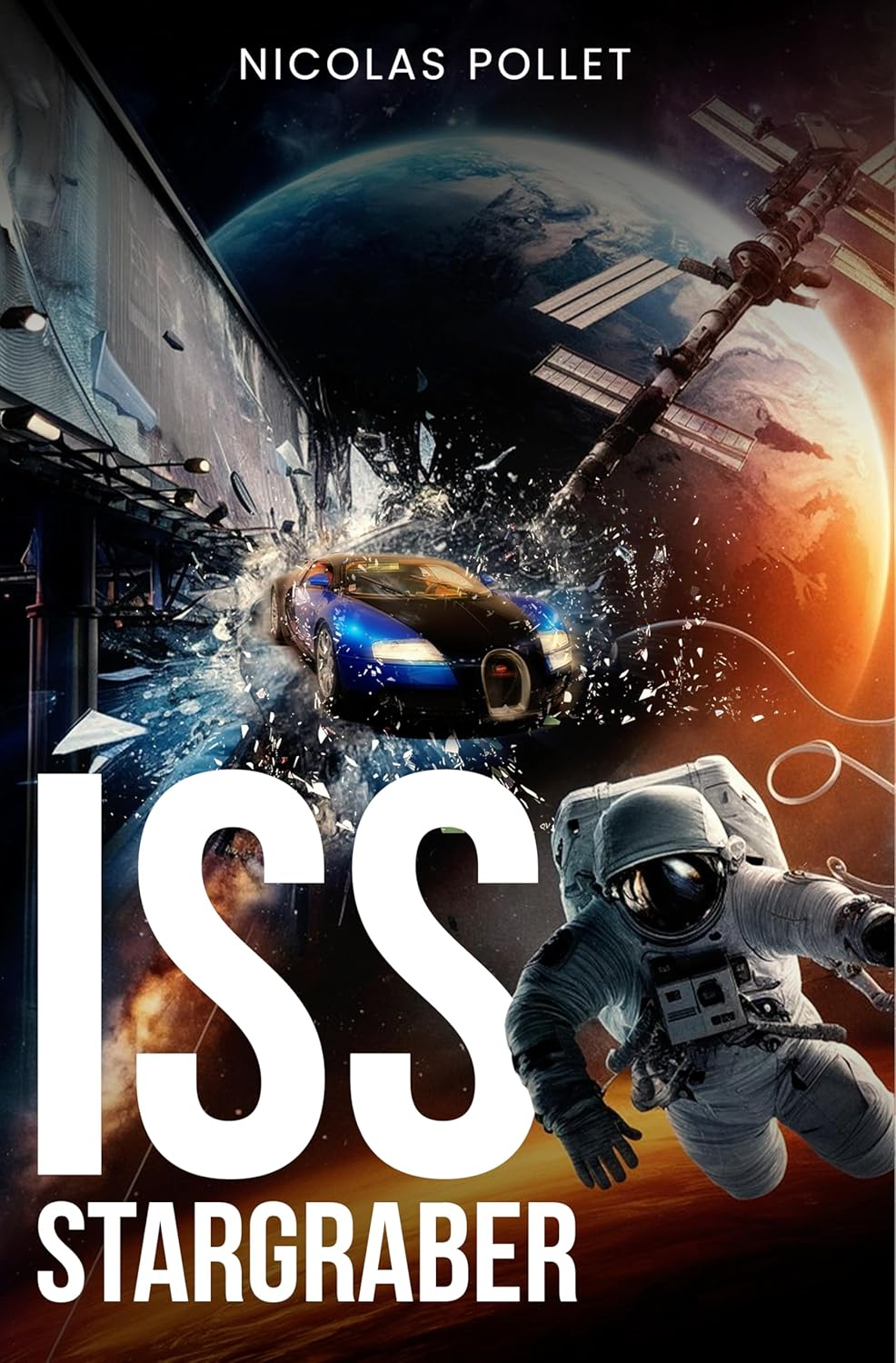
In the novel, the year is 2153, and the Stargraber Geo Orbital Station, which is a ring-like megastructure encircling Earth, is the cornerstone of civilization. Covered in solar panels, it captures energy 24/7 and beams it to Earth, powering industries, agriculture, and cities across the globe. The result? A hunger-free world where energy is virtually free.
But as Pollet shows us, no system is unbreakable.
While SBSP offers a tantalizing vision of the future, it also comes with risks. Scientists in the real world have raised concerns about the infrastructure required, the vulnerability to space debris, and the geopolitical control of orbital energy resources. ISS Stargraber amplifies these questions with a gripping storyline: What if someone sabotaged this lifeline from within?
John Desmond, the station’s head of security, is forced to investigate a series of strange incidents that suggest deliberate tampering with the station’s energy systems. As he digs deeper, he uncovers not just a technical vulnerability, but a human one. Where the futurists explore SBSP’s potential, ISS Stargraber reminds us of the fine line between promise and fragility. The novel is more than fiction. It is a warning wrapped in suspense, asking, if we do build the perfect system, can we keep it safe from ourselves?
For readers who are interested in orbital engineering, sustainable energy, and realistic science fiction, ISS Stargraber is a must-read exploration of what the future might hold and what might happen if it goes horribly wrong.
Would John Desmond be able to save ISS Stargraber before it is completely destroyed? Or will he succumb within this deadly game? Read the book to know the answer.
ISS Stargraber is a gripping sci-fi thriller set in 2153 aboard the Stargraber Geo Orbital Station, a colossal 25,000-mile-long megastructure encircling Earth. This marvel of human ingenuity powers a fossil-fuel-free world with limitless solar energy, but its utopian promise hides a deadly threat. John Desmond, a former Navy pilot turned security chief, grapples with personal loss while uncovering a conspiracy that could annihilate billions.
Joined by Victoria Palmers, a brilliant geochemist, John races against time to stop an elusive adversary bent on catastrophic destruction. Pollet weaves high-stakes action, plausible tech like space elevators, and raw human emotion into a page-turner that explores duty, sacrifice, and the fragile line between progress and peril.