Solar energy is one of the most talked-about solutions to the world’s energy problems. It is clean, renewable, and widely available. As more countries invest in solar farms and rooftop panels, it seems like we are heading in the right direction.
But what if this very solution, designed to help humanity, became a tool for harm?
Energy resources have historically been tied to conflict. Oil, natural gas, and even coal have sparked wars, trade disputes, and political tensions. Energy is not just a tool for progress—it is a source of power. Control over energy means control over economies, governments, and everyday life.
Solar energy feels different. It is not locked in the ground beneath one country. It shines on everyone. But as we scale up solar technology and create global systems to distribute it, we are also creating new risks. The larger the system, the more impact it has. And the more it can be misused.
One idea that has caught the attention of scientists and science fiction writers alike is space-based solar power. This involves placing large solar panels in orbit where they can collect sunlight all day, then beam that energy down to Earth using microwaves or lasers. The advantages are huge. No weather interruptions. No need for storage. Continuous power.
But there is a catch. The same technology that beams energy to a power station can, in theory, be redirected. For example, if aimed at a city or critical infrastructure, it could cause damage. Whether by accident or design, solar power from space could become a weapon. It raises serious questions. Who controls the beam? What regulations exist? How do we prevent its misuse?
These are no longer far-off ideas. Countries like Japan, China, and the United States are actively testing space solar systems. Engineers are building prototypes that may one day power entire regions. With each step forward, the world must also think about what happens if something goes wrong.
This leads us to the crux of the issue: could the instruments we create to protect ourselves actually cause harm to us?
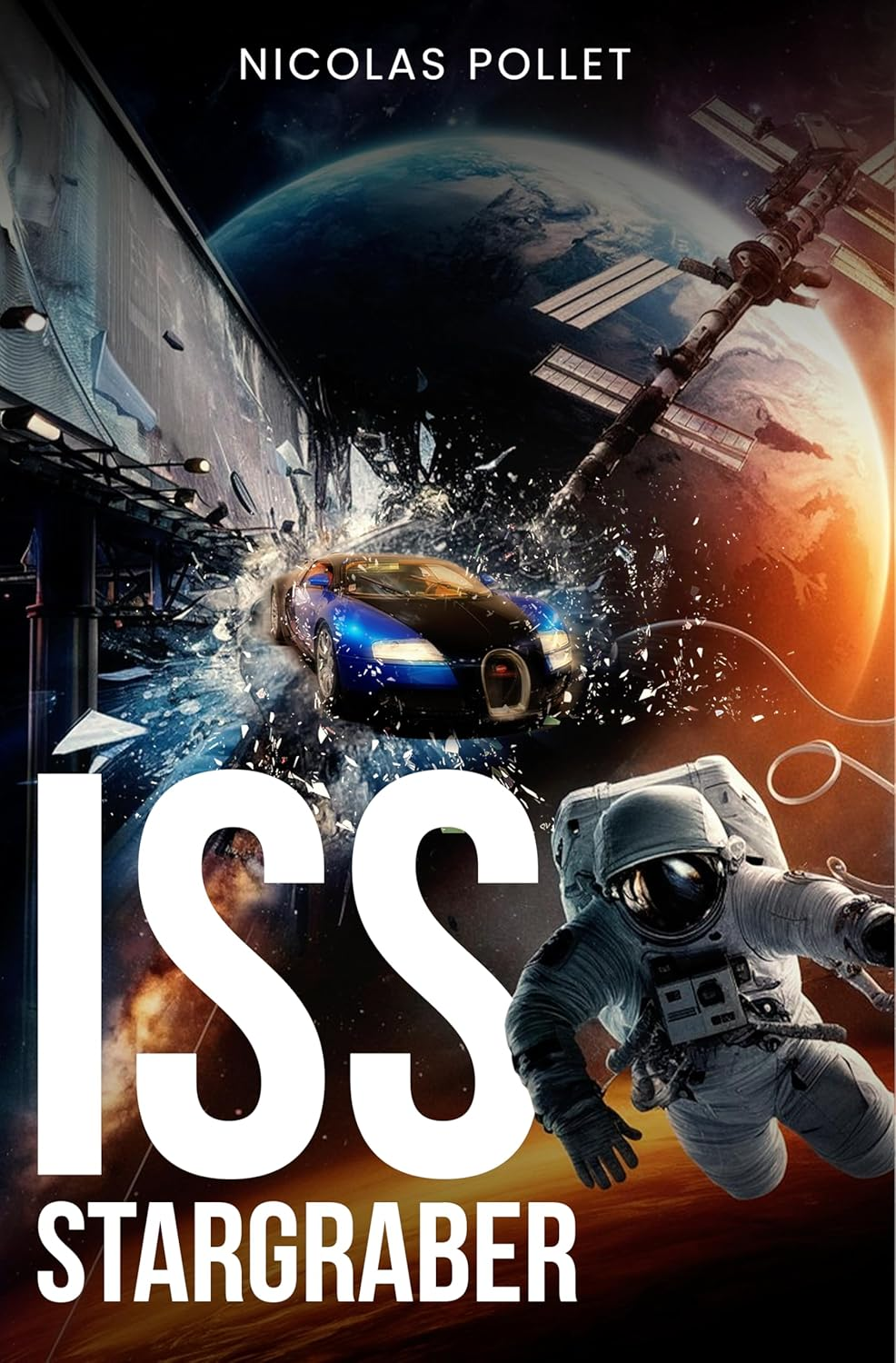
This very idea is explored in the science fiction novel ISS Stargraber . The book takes place in a future where Earth relies on a giant space station that provides unlimited solar energy. It is a symbol of peace and progress. But when the station begins to malfunction, it becomes clear that someone is targeting it. What follows is a gripping story of sabotage, survival, and global consequences.
While the novel is fiction, its themes are grounded in today’s reality. The idea that energy can be both a blessing and a threat is very real. As we move into a future powered by advanced technology, we must be careful not to ignore the risks.
Solar energy has the power to change the world. But in the wrong hands, it can also be dangerous. The key is not just building the systems but making sure they are safe, secure, and used with care. And as ISS Stargraber shows, it may take just one person to turn progress into peril.
If you’re curious about what comes next for humanity, ISS Stargraber by Nicolas Pollet offers a chilling, intelligent, and immersive glimpse into that question. Read it for the science and stay for the suspense. And as you turn the final page, ask yourself one thing: What if it wasn’t an accident? Or what happens if one day it becomes reality? Will we be able to inhabit the sky?
Read ISS Stargraber by Nicolas Pollet to know more. Order your copy on Amazon: https://www.amazon.com/dp/B0F56P7XVR.