Technology is shaping the future faster than we can fully comprehend. Every year, new innovations change the way we live, work, and interact with the world. From medicine and communication to energy and space exploration, the pace of development shows no signs of slowing down.
As we look ahead, certain technologies stand out. They may still be in early stages, but their potential to transform society is huge. Here are five emerging technologies that could define the next century.
Space-Based Solar Power
Solar panels on Earth are already helping reduce our reliance on fossil fuels. But in the future, collecting solar energy in space may become the norm. The advantage is clear: solar power in orbit is constant and unaffected by weather. Japan and the European Space Agency are already testing small-scale concepts to beam power wirelessly back to Earth.
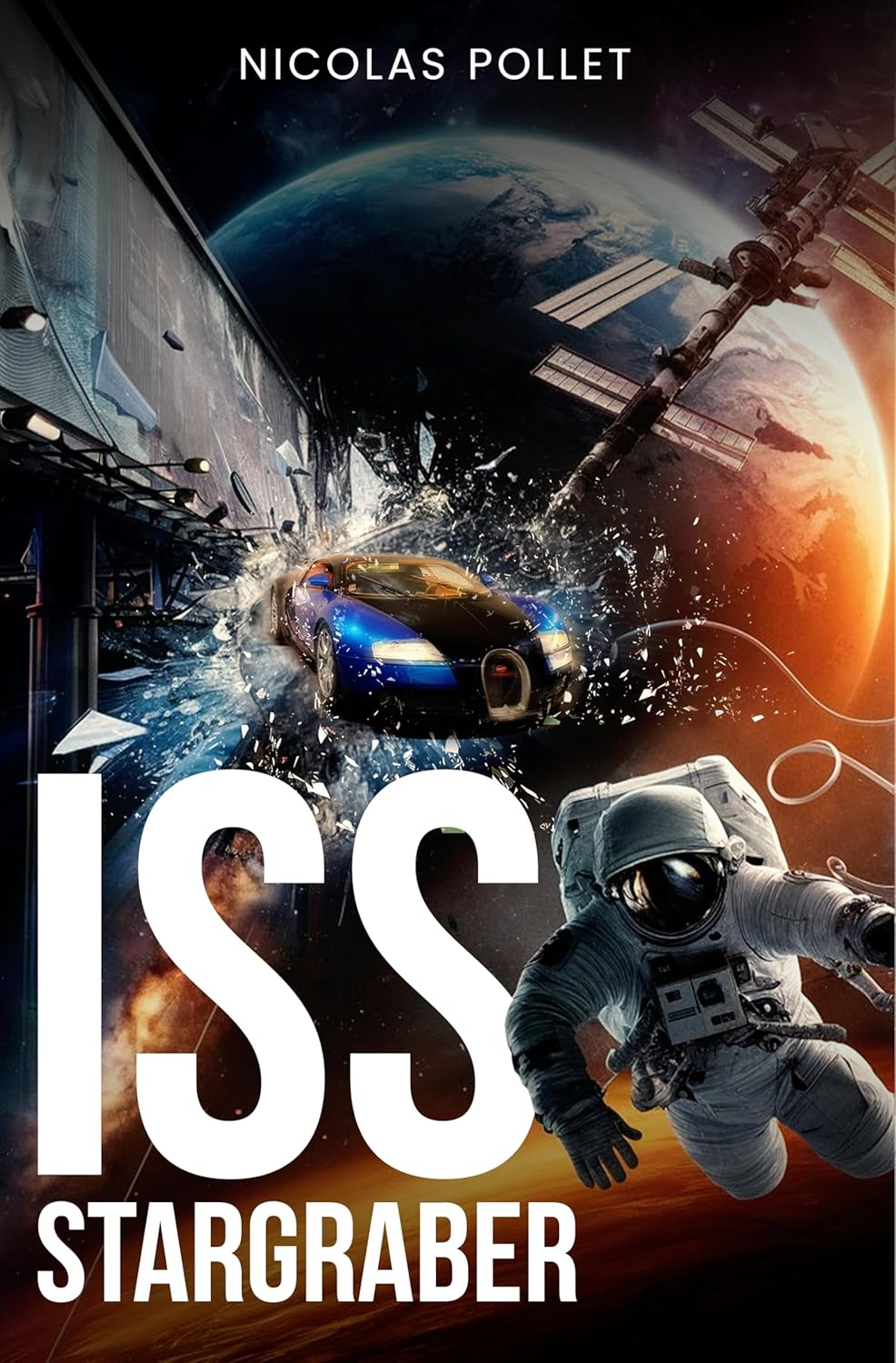
In ISS Stargraber, this technology has become a reality. A massive ring-shaped space station collects solar energy in space and distributes it globally. It powers homes, cities, and entire nations. But when the system starts to fail, the consequences are global. This is a smart fictional example of what could go wrong if we rely too heavily on one system. For readers curious about the risks and rewards of space energy, this book is a strong companion.
Order your copy on Amazon: https://www.amazon.com/dp/B0F56P7XVR.
Brain-Computer Interfaces
Direct communication between the human brain and machines is no longer just science fiction. Companies like Neuralink and research teams worldwide are testing ways to help people control devices using thought. In the future, this could help restore movement to people with paralysis or allow people to interact with technology in entirely new ways.
Imagine being able to type, drive, or even control a robot just by thinking. These tools may also raise ethical questions around privacy, mental health, and data control. But they show how connected humans and machines could become.
Smart Materials
Tests are already underway for materials that can change shape, heal cracks, or react to pressure. Called “smart materials,” these could revolutionize construction, clothing, electronics, and even transportation. In space, they could be used to repair spacecraft automatically or shield astronauts from radiation.
These technologies are already in use in small ways, like glass that tints in sunlight or fabrics that cool the skin. Future uses will likely be more complex and intelligent.
Artificial Intelligence in Healthcare
AI is already helping doctors read scans, plan surgeries, and detect diseases earlier than ever. As the technology grows, we may see AI-powered diagnostics, treatment suggestions, and even patient monitoring. This could help fill gaps in healthcare, especially in rural or underserved areas.
But as AI becomes more involved in medical decisions, the need for human oversight will grow too. Future health systems will have to balance speed and efficiency with safety and empathy.
Space Infrastructure
Building in space is no longer a distant idea. The International Space Station has been operating for more than two decades. Now, new companies and governments are working on modular space stations, orbiting hotels, and moon bases.
Again, ISS Stargraber takes this idea to the next level. Its orbital ring is home to millions and
the heart of Earth’s energy network. The book shows both the power and danger of such megastructures and raises questions about control, sabotage, and survival in a high-stakes environment.
As these technologies continue to develop, fiction and science will become closer. Stories like ISS Stargraber help us imagine both the promise and the problems of innovation. If you want a thrilling story built on real-world science and bold ideas, this novel is worth reading.