Every generation believes it is building a better future. Today, that belief is anchored in one idea: energy innovation. From solar panels stretching across deserts to wind farms turning over endless seas, we are convinced that smarter, cleaner power will save the planet. Yet behind this optimism lies a quieter truth. The same technology that promises to sustain humanity could also risk it if placed in the wrong hands or driven by the wrong motives.
Energy defines civilization. It fuels every aspect of modern life, our homes, industries, transport, and communication. The challenge now is not whether we can produce enough power, but whether we can do so without destroying the environment that sustains us. The shift to renewable energy has become a global mission. Solar, wind, and geothermal sources are reshaping economies and giving hope to a planet battered by climate change. But progress brings new forms of risk. Who controls these vast systems? What happens when technology designed to liberate us becomes a tool for control?
History offers examples of this double-edged progress. The atomic age began with dreams of endless clean power, but soon gave rise to nuclear weapons. Oil once symbolized prosperity and freedom, yet it also fueled wars and ecological disasters. Even today, the pursuit of renewable energy remains tied to competition over resources such as lithium and rare earth metals. Innovation does not exist in isolation; it exists within systems of power, profit, and politics.
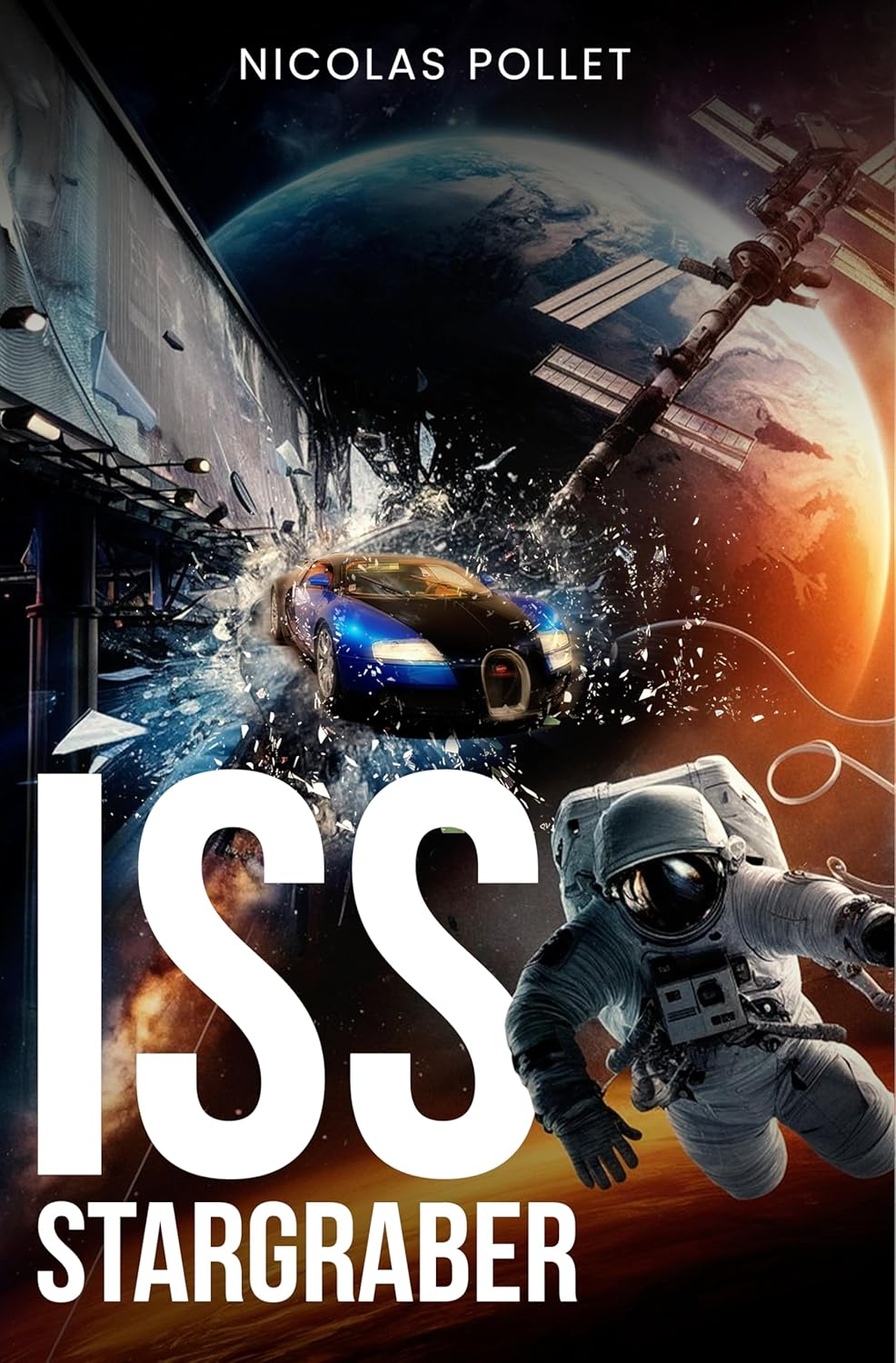
This moral tension lies at the heart of Nicolas Pollet’s ISS Stargraber. This science fiction novel envisions a future where humanity has constructed a colossal orbital station capable of transferring unlimited solar energy to Earth. On the surface, it is the ultimate victory for science, a solution to pollution, poverty, and dependence on fossil fuels. But beneath that shining promise lies corruption, secrecy, and danger. In the book, the same energy meant to unite humanity becomes a weapon for those who wish to control it. ISS Stargraber reflects the reality that technology alone cannot fix human nature.
The world today faces similar choices. Countries race to dominate the renewable sector, investing billions in solar satellites, smart grids, and fusion research. While these innovations are essential, they also create new vulnerabilities, cyberattacks on power systems, unequal access to clean energy, and the potential for monopolies over technology meant to be shared. If energy becomes another form of political leverage, the hope of a sustainable world may collapse into another form of exploitation.
The real question is not whether innovation can save us, but whether we can guide it with wisdom and accountability. Energy progress must be matched by ethical progress. Transparency, global cooperation, and equitable access are not ideals; they are necessities. Without them, every discovery risks becoming another threat in disguise.
ISS Stargraber serves as a timely reminder that innovation without conscience can destroy as easily as it creates. It challenges readers to imagine a future where humanity learns not only to harness power, but to deserve it.
For anyone who believes the future of energy will shape the future of life itself, ISS Stargraber by Nicolas Pollet is an illuminating and necessary read.
Get your copies from Amazon: https://www.amazon.com/dp/1967963231.