Is the world’s peace as permanent as we hope? Or is it just a temporary illusion?
For centuries, humanity has battled to make Earth a safer place. Unquestionably, advancements in agriculture and medicine, as well as the decrease in international conflicts and the growth of international collaboration, have made our lives easier and perhaps safer. Once-fantastical technologies like clean energy, AI management, and instant global communication are now commonplace. With poverty rates declining in many areas and climate change being tackled through innovation, it is easy to think that humanity has finally tipped the scales in favor of long-term safety.
But does it? The truth is, stability has always been a precarious balancing act. The more we advance, the more complex our systems will become. And the more interconnected we are, the greater the risk of the potential fallout from a single point of failure. Today, our cities, economies, and even basic needs like food, water, and power depend on delicate chains of infrastructure, as we are more dependent on them than ever before.
What happens if just one critical link breaks?
Space is becoming a central part of this fragile web. With satellites handling navigation, communications, and even early warning systems for natural disasters, orbital infrastructure is evolving fast. With it, risks we barely understand. As we reach further into space to secure Earth’s future, we may also be creating vulnerabilities we are not prepared to face.
Imagine a future where all of Earth’s power needs are met not by burning resources, but by collecting energy directly from space. No pollution. No scarcity. No wars over oil or coal. It sounds like utopia. But what if the very system that powers our safety becomes our greatest point of failure?
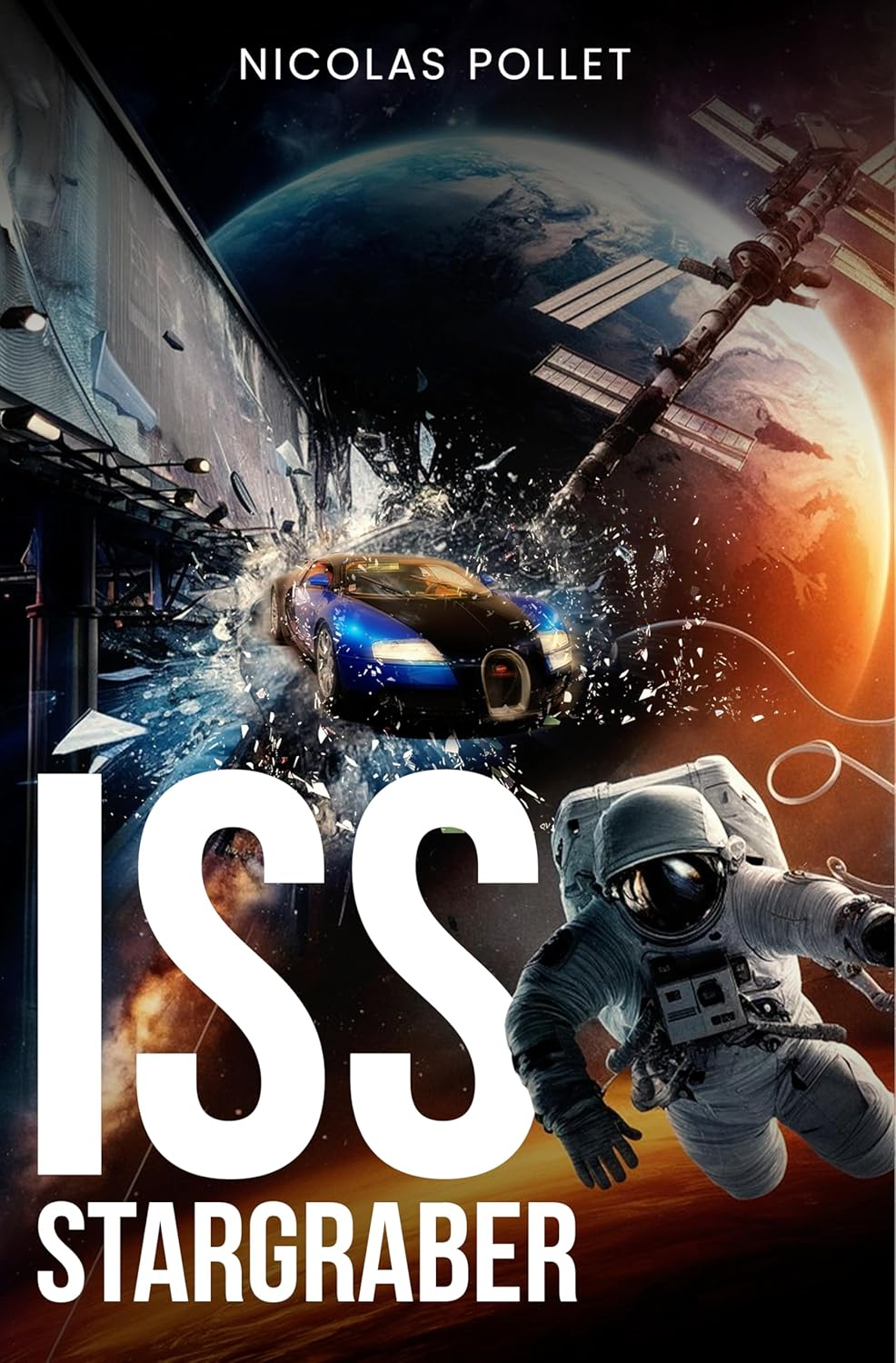
That is the chilling reality explored in ISS Stargraber. It is a visionary science fiction novel that imagines a future Earth powered by an enormous orbital station known as Stargraber. Stretching 25,000 miles across space, the ISS Stargraber supplies endless solar energy to every corner of the planet, ushering in a golden age. Poverty, hunger, and pollution have diminished. Humanity has, at last, achieved a fragile peace.
But the ISS Stargraber is not safe from danger.
When sabotage strikes the Stargraber Station, the illusion of safety begins to unravel and crack. John Desmond, a security officer grappling with his own loss, must race to uncover who is behind the attacks before the damage becomes irreversible. As he digs deeper, it becomes clear: it’s not just the station that’s vulnerable. It’s the entire world.
Through its suspenseful plot and chilling realism, ISS Stargraber forces us to confront the stark truth that Earth’s safety has always been an illusion. It depends not just on technology but also on trust, vigilance, and the human ability to protect what we have built. Even the most brilliant systems can fail, especially when threatened from within.
Will John be able to safe Earth before it is too late? Only reading the book will lead you to a conclusion. You can purchase the book from Amazon.
ISS Stargraber by Nicolas Pollet is an electrifying sci-fi thriller set in 2153, where the Stargraber Geo Orbital Station, a 25,000-mile-long marvel encircling Earth, powers a utopian world with limitless solar energy. But this glittering “river of diamonds” hides a deadly conspiracy that could annihilate billions. A grieving security chief, a brilliant geochemist, and a diverse cast of “space submariners” race against time to stop a shadowy villain wielding catastrophic power. Packed with heart-pounding chases, plausible tech like space elevators, and themes of sacrifice and resilience, Pollet’s tale of a fragile utopia gripped by peril will captivate fans of The Expanse and Project Hail Mary.
Dive into this unputdownable adventure and discover why Stargraber is the ride of a lifetime.