Science fiction has often mirrored the political and social issues of its time. In the mid-20th century, space exploration stories were filled with the optimism of the Space Race. Later decades brought darker, more skeptical visions, reflecting concerns about technology, corporate power, and environmental decline. Today, a new trend is emerging. It is post-colonial futures in space.
This approach looks at humanity’s expansion beyond Earth through the lens of history. Past colonization of Earth was often marked by exploitation, inequality, and conflict. Writers asking “What comes next?” are imagining space futures where these patterns are either repeated or deliberately broken. Instead of assuming that space settlements will automatically be utopias, they ask harder questions. Who owns the resources? Who makes the rules? Who gets left behind?
In this context, space is not just a blank canvas for adventure. It has become a stage for examining human behavior under pressure. A space station, a lunar base, or a colony on Mars can become a microcosm of political, cultural, and economic struggles. The limited space and shared dependence on life-support systems make every decision important, and every dispute potentially dangerous.
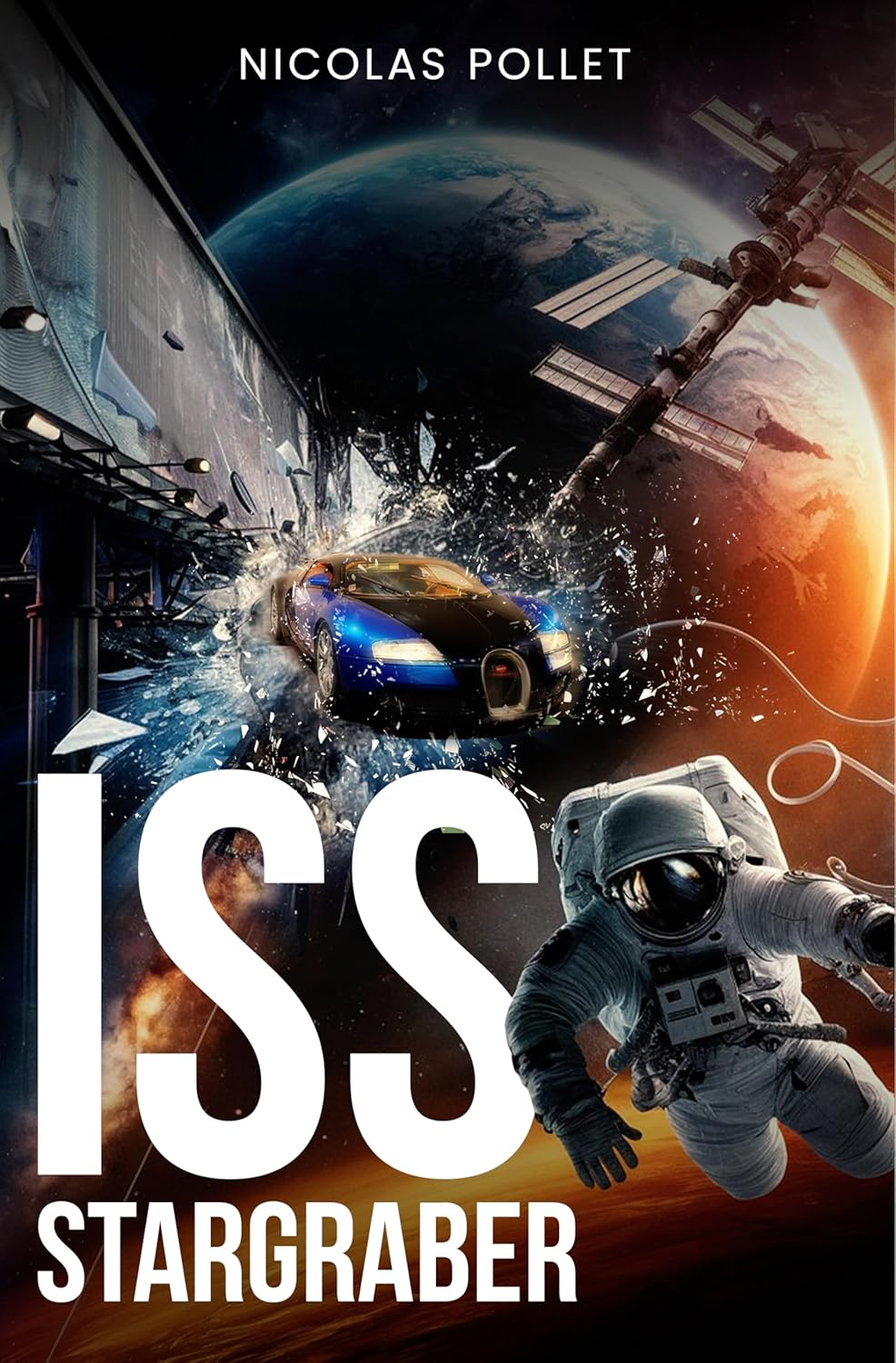
Nicolas Pollet’s ISS Stargraber fits squarely into this tradition. Set in 2153, the novel presents an orbital megastructure built to provide clean energy for Earth. On the surface, it is a triumph of cooperation and technology. Beneath that, there are tensions between different nations and factions controlling parts of the station. The threat in the novel is not just from technical failures, but from human conflict—power struggles, hidden agendas, and competing visions for the future.
This mirrors real-world concerns. As more countries and companies enter space, the question of governance becomes more urgent. Current treaties cover some areas, but they were written in an era when space activity was far more limited. In the future, disputes over mining rights on the Moon, resource claims on asteroids, or control over space-based energy systems could become flashpoints for conflict.
Post-colonial science fiction asks us to think about these issues now, before they shape the real decisions we will have to make. It also offers hope by showing characters and communities that resist repeating the mistakes of the past. These stories remind us that while technology can take us into space, it is our values and choices that will determine what kind of society we build there.
Readers who enjoy exploring these ideas will find ISS Stargraber both thrilling and thought-provoking. It blends a believable technological setting with the political and human dimensions that make the future feel real. For anyone interested in how humanity might navigate the challenges of living beyond Earth, it is a compelling place to start imagining what lies ahead.
In a world where we depend more and more on technology, ISS Stargraber shows us the possibility of colonization.
If you enjoy stories that are both thrilling and thoughtful, it’s easy to see why this book is making waves. And once you start reading, you’ll understand why everyone is talking about ISS Stargraber.
If you’re looking for a smart, mature, and utterly compelling read, ISS Stargraber deserves a place on your shelf. It might just change the way you think about progress, systems, and survival. Order your copy on Amazon: https://www.amazon.com/dp/B0F56P7XVR