The history of space exploration has always been tied to politics. For example, the Space Race of the 1960s was as much about showing power as it was about science. With each nation’s goal being to move on a global chessboard, the US and the USSR demonstrated their technological superiority through their space programs. In the present day, there are still hints of competition even though there is cooperation.
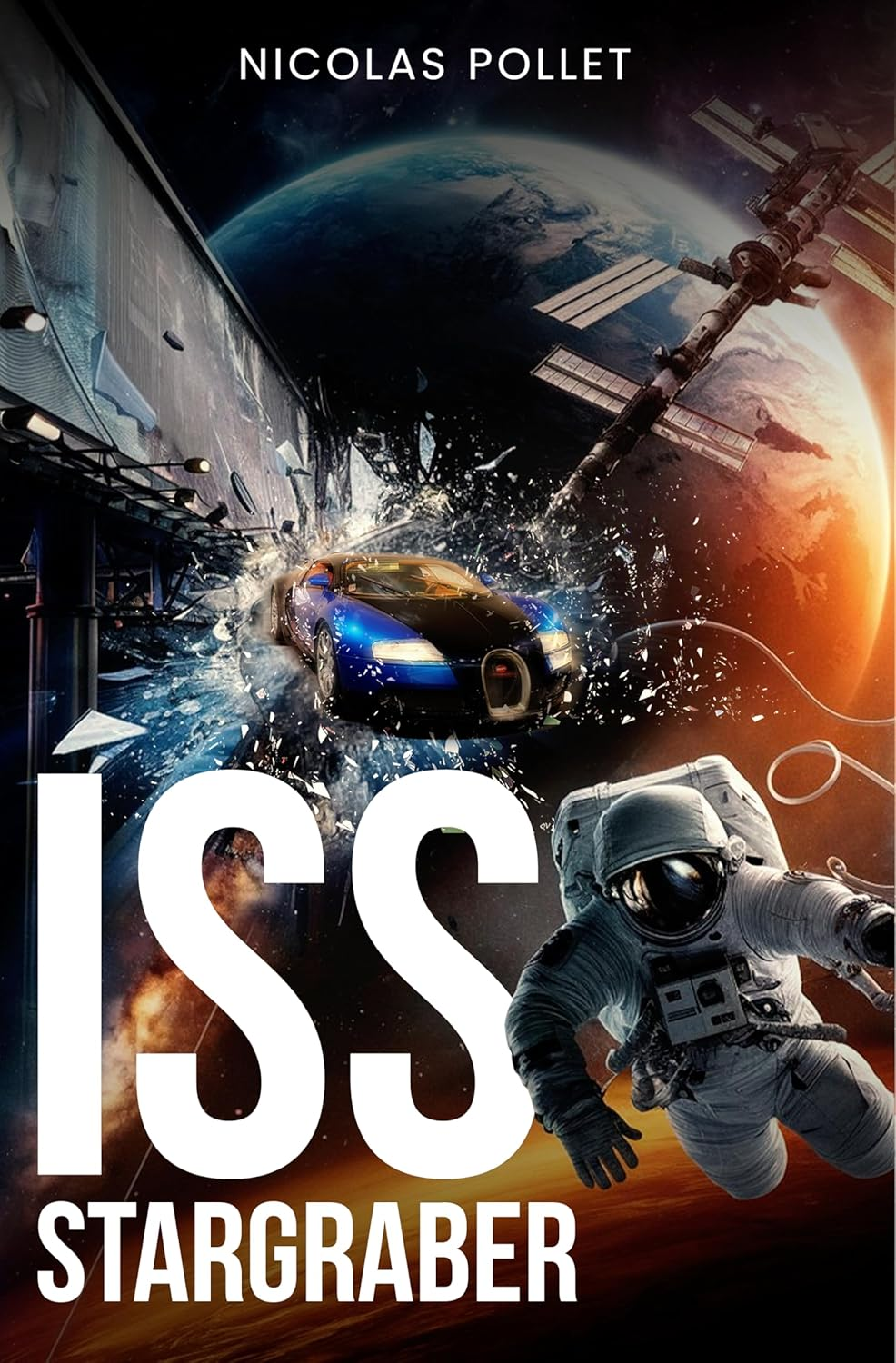
Now imagine that competition playing out on a single structure. It might have been the size of a tiny planet orbiting Earth. In ISS Stargraber , the Stargraber is one such station that is divided into sections managed by different nations and alliances. On the surface, it is a symbol of unity. In reality, it is a fragile balance of power, with every nation watching the others closely.
In the real world, something like this is not far-fetched. The current International Space Station already involves multiple countries, each with its own responsibilities and priorities. But what if the stakes were much higher? If a massive orbital station provided Earth’s main energy supply, controlling its systems would mean holding the power to influence every nation below.
Political tensions could escalate quickly, as a technical malfunction in one section might be seen as deliberate sabotage by another. Maintenance schedules could become political bargaining chips. Access to critical systems might be restricted under the guise of security. Even minor disputes could spiral into diplomatic crises.
In ISS Stargraber, these tensions shape the story. The sabotage that threatens the station forces different factions to either work together or risk mutual destruction. Trust is in short supply, and information is traded like currency. It is a reminder that even the most advanced technology cannot erase the human instinct for control and advantage. This mirrors real-world risks. As more nations and private companies develop space capabilities, the chance of conflicts over resources, territory, or technology grows. Space treaties may help, but enforcement is complicated when the “territory” in question is hundreds of miles above the ground.
A station like the Stargraber could be a triumph of engineering and diplomacy. Or it could become the stage for the next great geopolitical showdown. The line between cooperation and competition is thin, and history suggests that the temptation to tip the balance in one’s favor will always be there.
ISS Stargraber takes that tension and turns it into a high-stakes thriller. It is a space fiction that reminds us that the future of space is not just about technology. Instead, it is about the people and politics that decide how that technology is used. The real question is whether we can keep our eyes on the greater good, or if old rivalries will follow us into orbit. Only time will tell. Until then, we have the opportunity to build one such station and could end the sabotage on Earth before we are wiped out of history. For more insight and information, purchase your copy of ISS Stargraber from Amazon: https://www.amazon.com/dp/B0F56P7XVR.