Every new invention begins with a promise. Faster communication, cleaner energy, more intelligent machines, longer lives. Yet behind every breakthrough, there is a quiet question that follows close behind: What price are we willing to pay for progress? In a world rushing toward automation, artificial intelligence, and limitless energy, that question is no longer theoretical. It is the defining moral challenge of our time.
Technology has continually reshaped how we live, but today it also reshapes how we think, decide, and even feel. Algorithms predict our choices before we make them. Companies harvest our personal data to influence our behavior. Governments use surveillance tools in the name of security while eroding privacy. These are not scenes from a distant future; they are part of daily life. The ethical line between innovation and intrusion is becoming thinner with every new advance.
One area where this conflict is most visible is artificial intelligence. AI promises to solve complex problems, from diagnosing diseases to managing energy systems. Yet the same systems can spread misinformation, amplify bias, and make life-changing decisions without accountability. When machines learn faster than their makers can understand them, responsibility becomes blurred. Who is to blame when an automated system fails or when an AI weapon chooses its own target?
Energy technology presents another example of this growing dilemma. The race for sustainable power has inspired remarkable solutions: solar farms that power cities, fusion research that aims to harness the sun’s energy, and orbit-based solar collectors that could send energy directly to Earth. But the greater the power, the greater the temptation to control it. Who decides who gets access to limitless energy? Who ensures it is used to heal the planet, rather than dominate it? These are questions of ethics as much as they are of science.
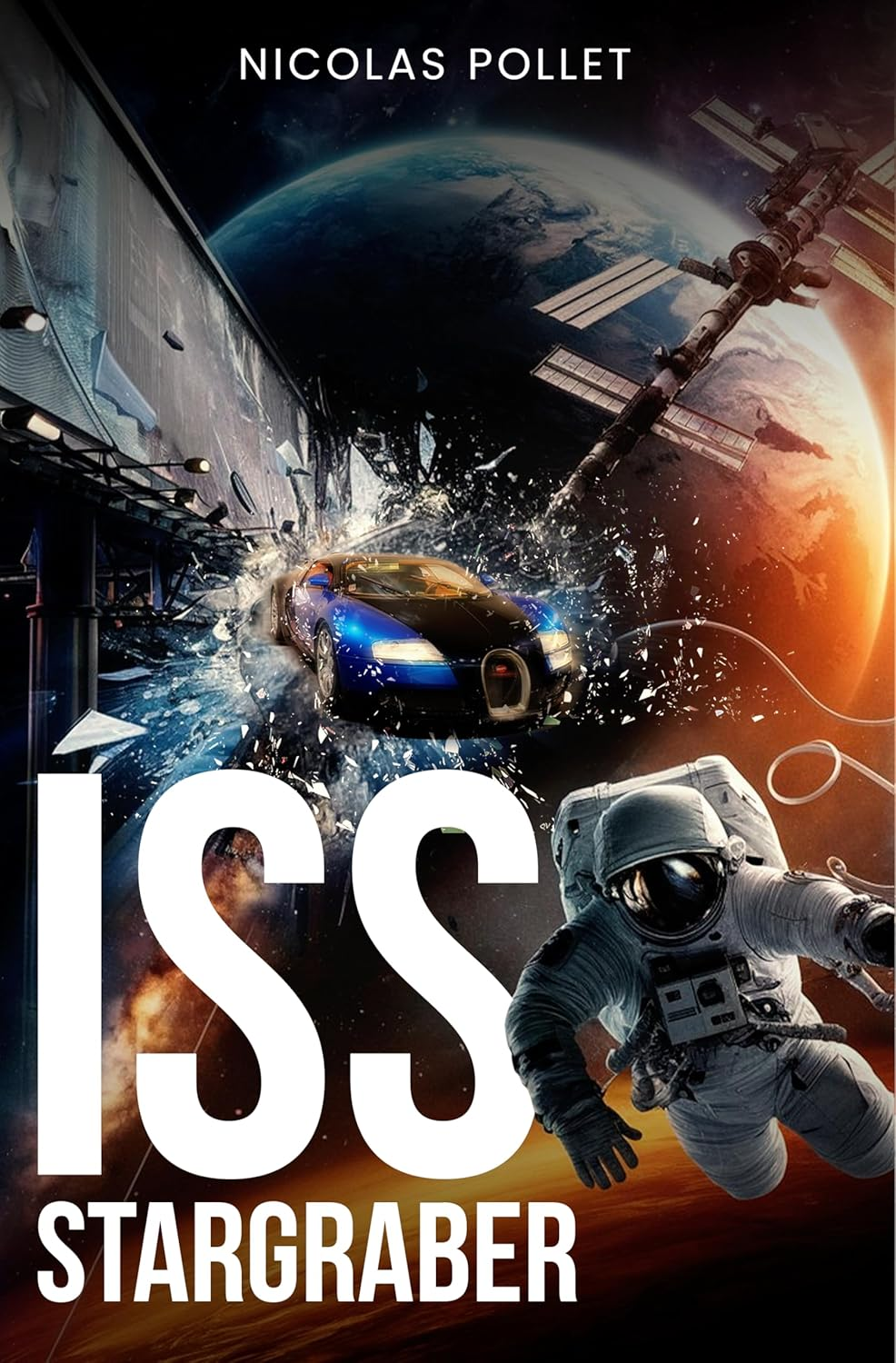
Nicolas Pollet’s ISS Stargraber explores these same tensions through a gripping futuristic lens. The book predicts a massive orbital station that transfers unlimited solar energy to Earth, a symbol of humanity’s genius and its arrogance. Within this station lies both salvation and danger, as political conspiracies, corporate greed, and technological overreach threaten to undo everything it was built to achieve. Through its story, ISS Stargraber reflects the very fears we face today: the risks of AI-driven control, the fragility of privacy, and the moral weight of unchecked innovation.
The ethical cost of technology is not found in the tools we create but in the choices we make while using them. Progress without principles can turn creation into destruction. True advancement demands humility, transparency, and restraint. We must ask not only what technology can do, but also what it should do, and at what human cost.
As society races toward a future defined by automation and artificial intelligence, ISS Stargraber offers a powerful reminder that technology is only as moral as the people who command it.
For those who seek to understand the balance between innovation and integrity, ISS Stargraber by Nicolas Pollet is more than a story. It is a warning worth reading.
Get your copies from Amazon: https://www.amazon.com/dp/1967963231.