From how we consume energy to how we treat one another, the direction humanity takes is not decided by fate. It is decided by you and me. We often talk about the future as if it is something that simply arrives. Technology will advance. Cities will grow. Climate will shift. But none of that happens in isolation. Behind every breakthrough, every failure, and every recovery, there are human decisions that redirect our lives to good or towards the worst possible scenario.
The Weight of Everyday Choices
It is easy to believe that only world leaders and scientists influence humanity’s path. In reality, the future is built through smaller actions that ripple outward. Supporting sustainable energy, investing in education, questioning misinformation, and demanding accountability all matter. Collective change often begins with individual responsibility.
Energy is one of the clearest examples. The way we generate and distribute power affects climate, economies, and global stability. As populations grow and resources tighten, how we manage energy becomes central to survival. A stable future depends on innovation, but also on ethical oversight. Progress without responsibility can create new dangers while solving old ones.
Technology as a Tool, Not a Guarantee
Many people look to technology as the solution to every looming crisis. Advanced systems, artificial intelligence, and space infrastructure promise efficiency and resilience. Yet technology reflects the intentions of those who build and control it. It can strengthen societies, but it can also expose vulnerabilities.
History shows that systems fail when trust erodes. Political tension, corporate greed, or simple human error can destabilize even the most advanced infrastructure. That is why discussions about the future must include more than technical innovation. They must include governance, cooperation, and accountability.
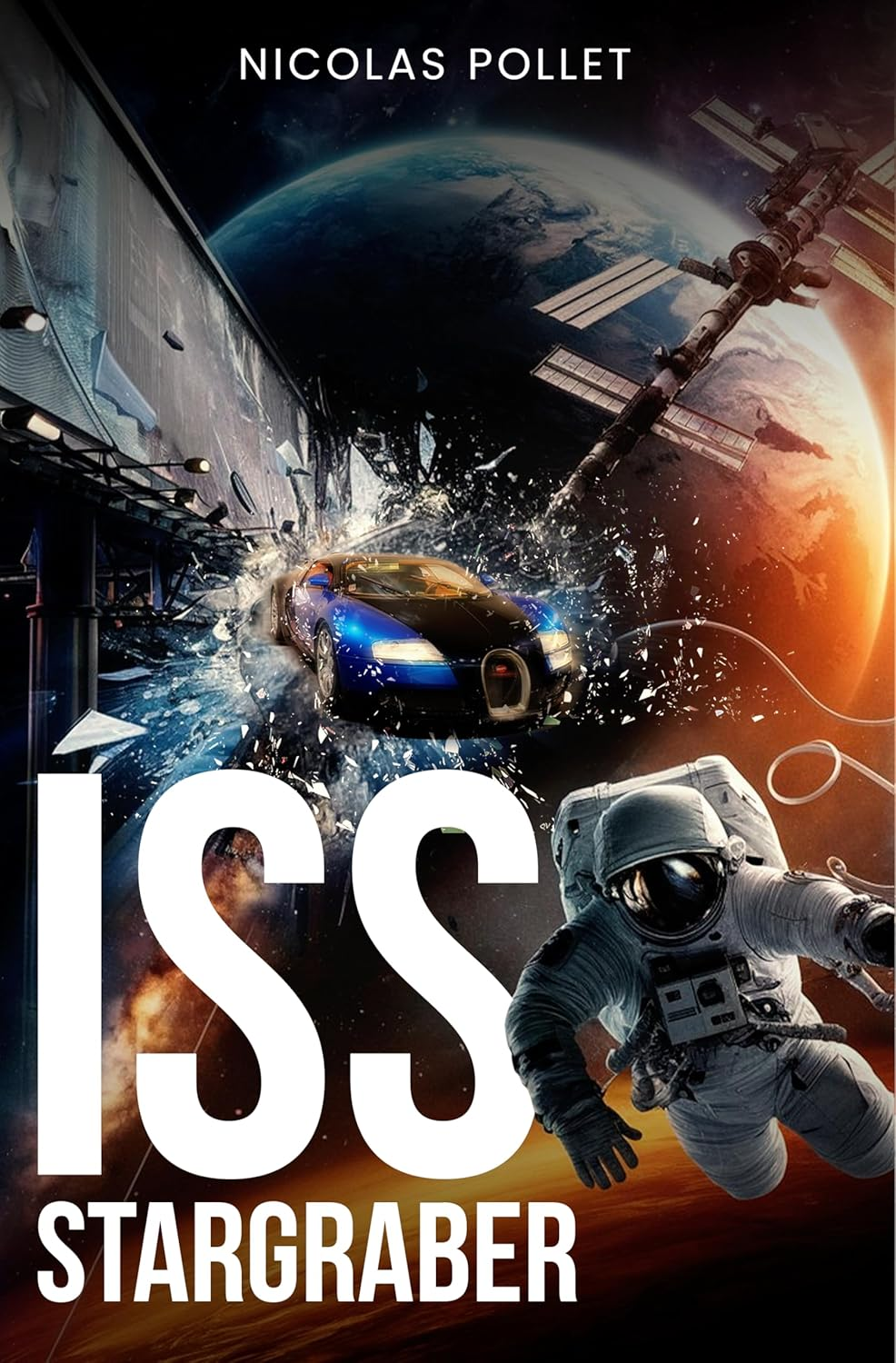
In ISS Stargraber by Nicolas Pollet, this tension is brought into sharp focus. After catastrophic seismic events shake Earth’s stability, humanity builds a massive orbital station to secure energy and protect civilization. The station represents ingenuity and hope. Yet the story reminds us that survival depends not only on machinery but also on the integrity of the people who operate it.
Cooperation or Collapse
Global challenges rarely respect borders. Climate change, pandemics, economic shocks, and natural disasters affect entire regions at once. The future depends on whether humanity leans toward cooperation or competition.
Shared vulnerability can unite people. It can also expose division. The difference lies in how leaders and citizens respond. Building resilient systems requires transparency and collaboration. When trust breaks down, even well-designed structures can unravel.
The future of humanity is not guaranteed to be bright or bleak. It will reflect our priorities. Do we value short-term gain over long-term stability? Do we protect systems or exploit them? Do we invest in resilience before disaster strikes? These are not abstract questions. They shape infrastructure, policy, and innovation, and possibly, our survival, in case we witness a massive collapse that shatters the Earth’s core into pieces.
If you are interested in stories that explore how fragile the future can be and how human choices determine survival, ISS Stargraber offers a compelling perspective. It blends technological ambition with deeply human stakes, reminding us that the future is never automatic. It is built and can be changed in the blink of an eye.
If you’re ready to orbit the edge of catastrophe and question everything we trust to keep us alive, then ISS Stargraber is your next must-read.
Availability: The book is available on Amazon for purchase. https://www.amazon.com/dp/B0F56P7XVR