Science fiction has long been a window into possible futures, from distant galaxies to advanced civilizations. Yet today, readers increasingly crave stories that feel grounded in reality, where technology and human emotion intersect in believable ways. This shift toward sci-fi realism reflects a world that is rapidly changing, where scientific advancements move faster than ever and the ethical questions they raise are immediate. ISS Stargraber by Nicolas Pollet captures this balance, offering a vision of the future that feels both plausible and emotionally resonant.
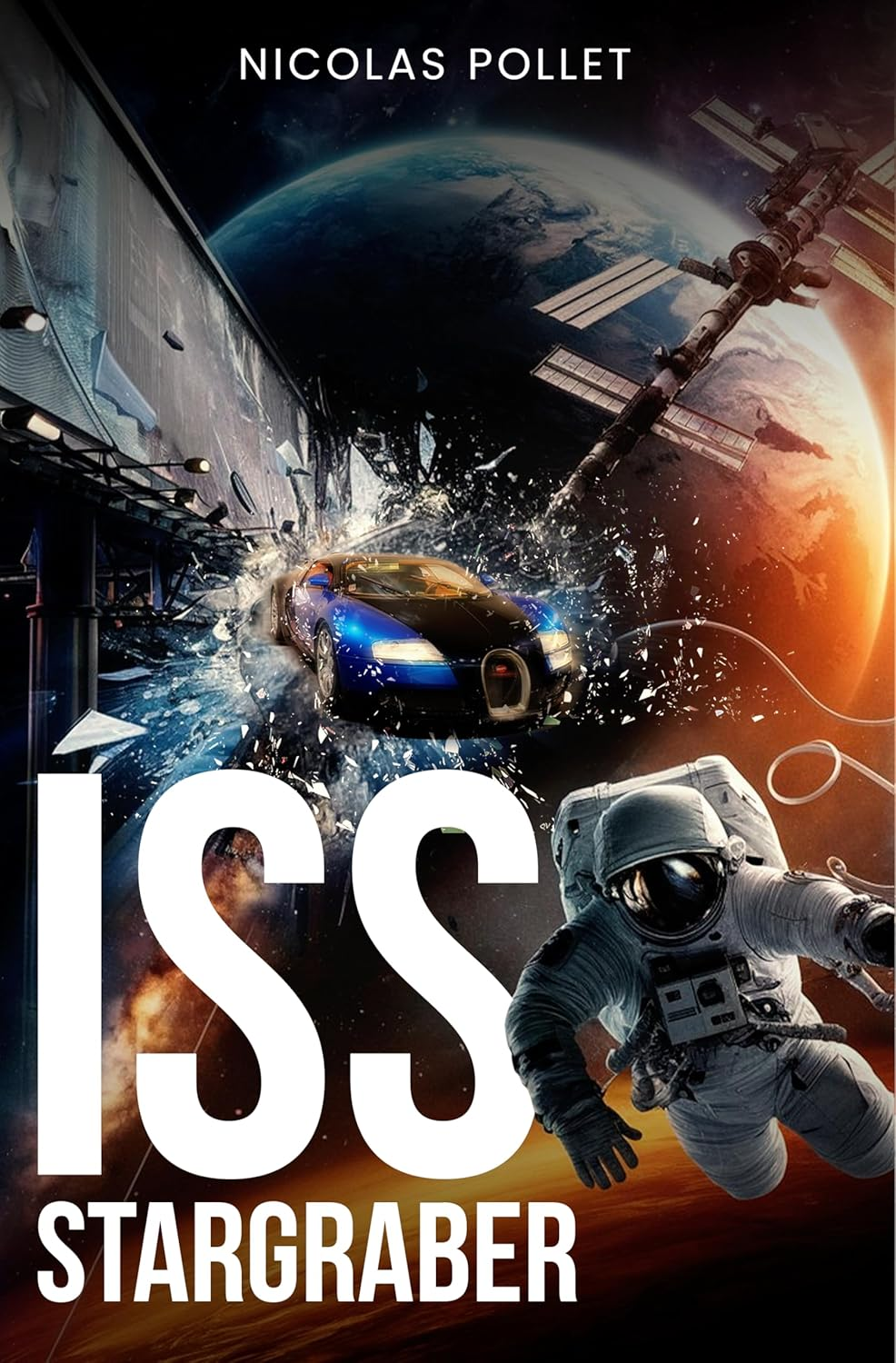
At its core, sci-fi realism is about imagining futures that could really happen. The innovations may be bold, but they are rooted in real science and human behavior. It is the strength of novels like The Expanse and The Martian, which explore space exploration through grounded technologies and believable challenges. Similarly, ISS Stargraber presents the Stargraber orbital station, a massive human-made structure designed to supply unlimited solar energy to Earth. The station represents humanity’s potential, but it also reveals the vulnerabilities that accompany power and progress. By framing high-stakes technological achievements within human dilemmas, the story demonstrates that the future is shaped as much by moral choices as by engineering prowess.
One of the most compelling aspects of this type of science fiction is its examination of the consequences of human action. In ISS Stargraber, the protagonist John Desmond faces moral and emotional challenges that are heightened by the station’s technological environment. His grief, guilt, and need for redemption underscore how, even in a world of advanced systems, human decisions ultimately drive outcomes. It reflects a larger theme in contemporary science fiction: that moral evolution must keep pace with technological advancements. Without it, innovation risks causing unintended harm..
Recent global events have only heightened the relevance of this approach. Climate change, rapid energy development, and artificial intelligence are raising questions about how humanity will manage its own creations. Science fiction grounded in realism provides a lens to explore these issues safely, offering scenarios where choices have immediate and tangible consequences. By imagining futures that are technically plausible and emotionally rich, novels like ISS Stargraber invite readers to reflect on responsibility, collaboration, and resilience.
Another key element of sci-fi realism is accessibility. While futuristic, these stories often use familiar human emotions as anchors. Loss, courage, loyalty, and hope become the threads that connect readers to characters navigating advanced settings. This blend of the extraordinary and the relatable enables readers to envision themselves in these futures and consider the ethical questions they might face.
As we look toward a future where exploration, energy innovation, space and AI will redefine daily life, stories that combine technical plausibility with human insight feel increasingly important. They remind us that survival, progress, and redemption are not only about what we build but about who we choose to be.
For those seeking a science fiction story that reflects this balance, ISS Stargraber is a compelling read. It offers not just a thrilling adventure but also a thoughtful meditation on how humanity might navigate the complex world we are building among the stars.
Get your copies from Amazon: https://www.amazon.com/dp/1967963231.