In an era when machines, algorithms, and futuristic landscapes dominate much of modern science fiction, one question remains more important than any other. What does it mean to be human when the world around you is built on metal, data, and power? This tension between emotion and technology sits at the center of some of the most memorable stories in the genre, and it is a theme that drives the narrative of ISS Stargraber by Nicolas Pollet with quiet power.
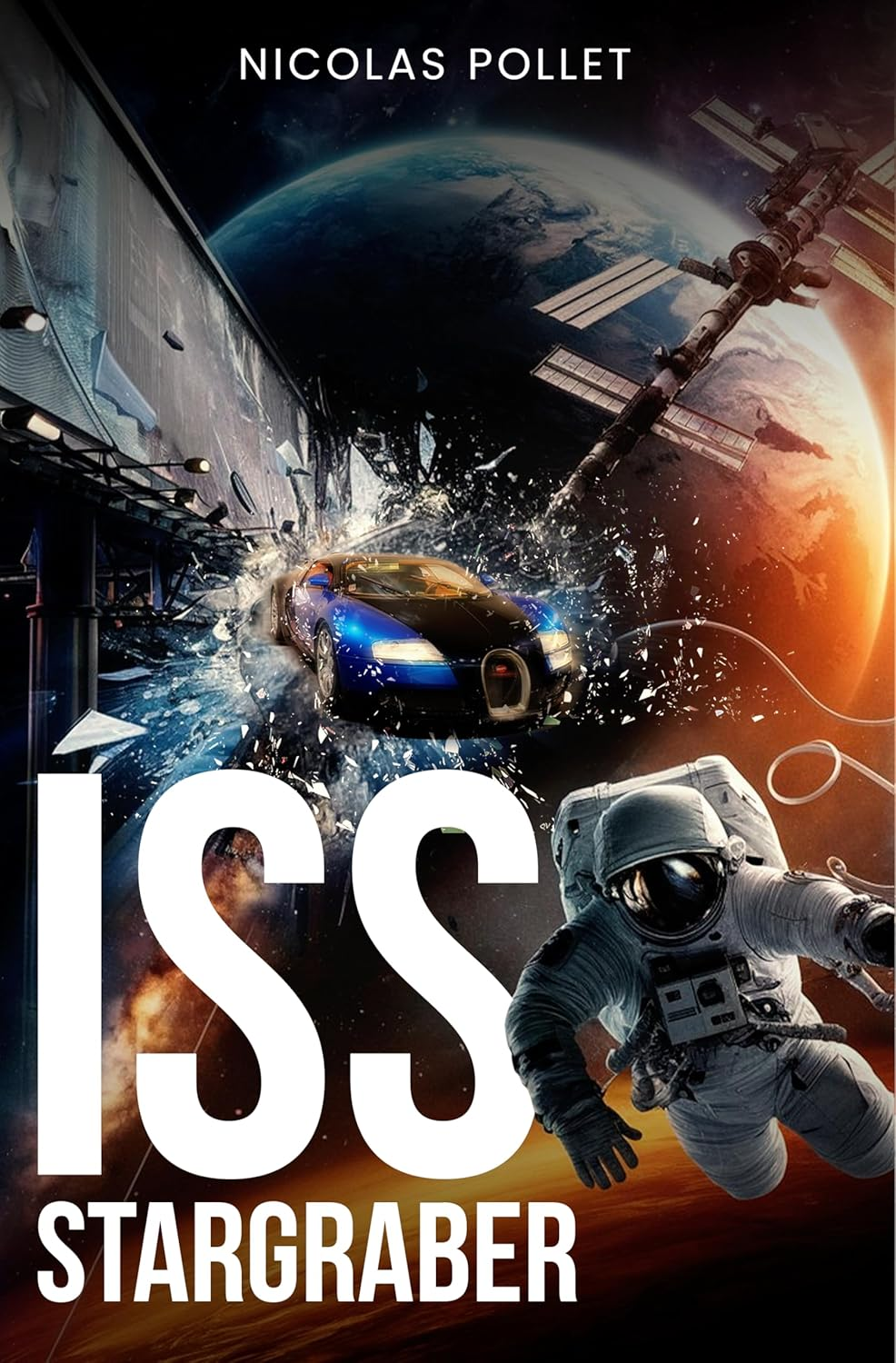
Science fiction has long imagined towering space stations, cybernetic enhancements, and vast interplanetary conflicts. But the stories that stay with us are never just about advanced devices or shining cityscapes. They are about people. They explore what humans fear, desire, and fight for when placed inside worlds far bigger than themselves. In ISS Stargraber, this idea is brought into sharp focus through John Desmond, a former fighter pilot who carries the weight of grief while navigating a space station built to reshape Earth’s energy future.
When sabotage strikes the Stargraber orbital station, the danger is not only technological. It is deeply personal. John’s decisions are shaped by loss, loyalty, and the hope for redemption. This emotional grounding transforms the plot from a simple race against disaster into a story about resilience and perseverance. In many ways, John represents all of us as we strive to hold on to our humanity while navigating a world marked by rapid change. His partnership with Victoria Palmers, who finds herself drawn into a conspiracy she never asked for, is another example of this balance. Both characters face not only threats to Earth’s survival but also the moral weight of choices that could alter the future for millions.
This approach shows how ISS Stargraber humanizes science fiction. Instead of relying solely on spectacle or the thrill of futuristic technology, the book highlights what happens when ordinary emotions meet extraordinary environments. Fear becomes sharper in zero gravity. Courage becomes harder when the corridor outside your room stretches for thousands of miles around the planet. A single moment of trust or betrayal can shift the outcome of an entire world. These are relatable experiences, even when the setting is a massive orbital ring.
Many readers who love science fiction crave more than impressive machines or explosive action. They want stories that challenge them to think about responsibility, innovation, and the consequences of pushing science too far. They want characters who break under pressure but still rise again. ISS Stargraber offers all of this through its focus on ethical dilemmas, scientific risk, political manipulation, and the cost of survival. It reminds us that even in the most advanced future, humanity does not disappear. It adapts.
With fall approaching, a season often associated with reflection, deeper thinking, and the return of long evenings perfect for reading, ISS Stargraber naturally fits into upcoming book events and sci-fi discussions. It provides the kind of thoughtful yet thrilling experience that pairs well with the energy of fall festivals, sci-fi conventions, and themed reading challenges.
For readers who appreciate science fiction that blends futuristic ideas with emotional depth, ISS Stargraber by Nicolas Pollet is a compelling recommendation. It captures the true heart of the genre by showing that even in a machine world, the human spirit remains the strongest force of all.
Get your copies from Amazon: https://www.amazon.com/dp/1967963231.