Energy keeps the world running. When we flip a switch, the lights come on. We expect our phones to charge when we plug them in. Cities are fed by power plants. Grids link nations. It feels solid. But behind the scenes, Earth’s energy systems are more fragile than most people realize.
In recent years, we’ve seen just how easily things can fall apart. A storm hits, and power lines go down. A cyberattack hits a control center, and an entire region goes dark. These are not rare events. They are becoming more common.
One reason is that energy networks are growing more connected. While this improves efficiency, it also increases risk. A failure in one part of the system can quickly spread to others. That’s exactly what makes energy infrastructure both powerful and vulnerable.
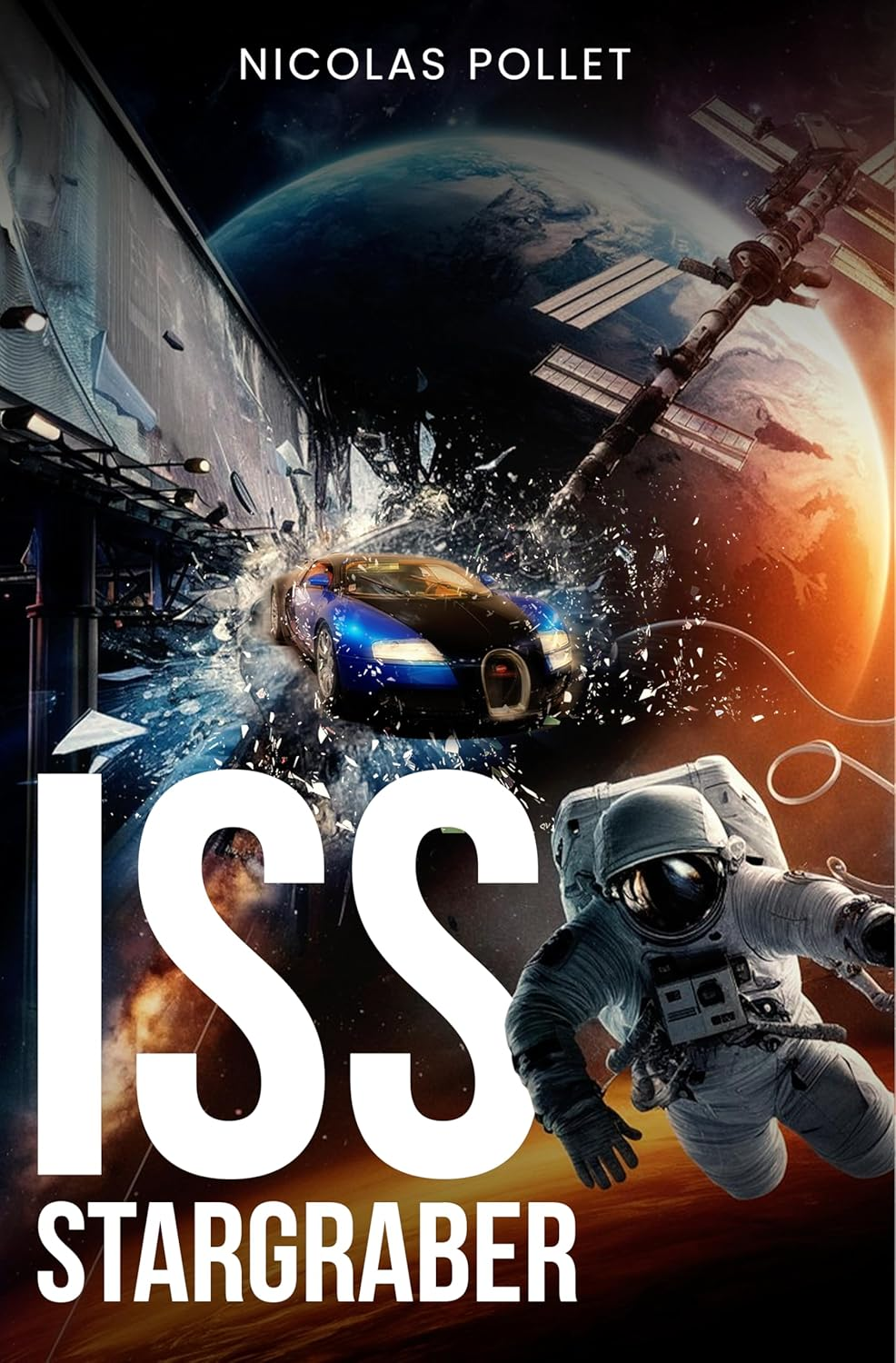
The novel ISS Stargraber captures this tension in a futuristic setting. In the story, Earth’s energy needs are met by a massive space station that collects solar power and sends it wirelessly to the planet. It sounds like a perfect system. And for a time, it is.
But then things start to go wrong.
Modules fail, systems break, and accidents happen. What starts as small errors soon grows into a full-blown crisis. It becomes clear that someone is trying to sabotage the station. But why? And if in case they succeed, the result will not just be a blackout; it will be a global collapse.
This story mirrors the challenges we face today. As we shift from fossil fuels to renewable energy, we’re building new systems. These systems are smart and efficient, but also more dependent on digital control. They are targets for hackers, natural disasters, and even human error.
The lesson is simple. When a system becomes too big to fail, it becomes too dangerous to ignore. We must build backups. We must train experts. And we must stay alert.
The ISS Stargraber provides an exciting look at what happens when a critical energy system becomes the center of the world, and then begins to fail. It demonstrates the dangers of overconfidence and the consequences of failing to prepare.
As the real world races toward clean energy and smart grids, this book reminds us that progress is only part of the story. We must also protect what we build.
If you’re interested in how technology and energy shape our future and what could go wrong. In that case, ISS Stargraber is a powerful read that blends fiction with real-world relevance.
With tightly paced action, deep emotional stakes, and a massive futuristic set piece, ISS Stargraber has the scale of Infinity War and the suspense of The Winter Soldier. It’s not about superheroes, but it is about ordinary people standing between disaster and survival.
So if you’re missing that high-stakes tension, that feeling of something monumental just barely holding together, or the thrill of a mystery unfolding in a larger-than-life setting, pick up ISS Stargraber. This book will alter your perception of science fiction and keep you riveted to your seat.
ISS Stargraber is a gripping sci-fi thriller set in 2153 aboard the Stargraber Geo Orbital Station, a colossal 25,000-mile-long megastructure encircling Earth. This marvel of human ingenuity powers a fossil-fuel-free world with limitless solar energy, but its utopian promise hides a deadly threat. John Desmond, a former Navy pilot turned security chief, grapples with personal loss while uncovering a conspiracy that could annihilate billions. Order your copy on Amazon: https://www.amazon.com/dp/B0F56P7XVR.